
RSO Storage Guide: How to Store Rick Simpson Oil Properly
Proper storage plays an important role in maintaining the quality, potency, consistency, and overall condition of Rick Simpson Oil (RSO). Like other concentrated cannabis extracts, RSO can be affected by environmental conditions such as heat, light, oxygen, humidity, and repeated temperature changes.
Whether you use RSO regularly or keep it as part of a longer-term supply, understanding how to store it correctly can help preserve its cannabinoid and terpene profile for as long as possible. This comprehensive RSO storage guide explains optimal storage conditions, factors that can affect quality, expected shelf life, container choices, travel considerations, and practical strategies for protecting your RSO investment.
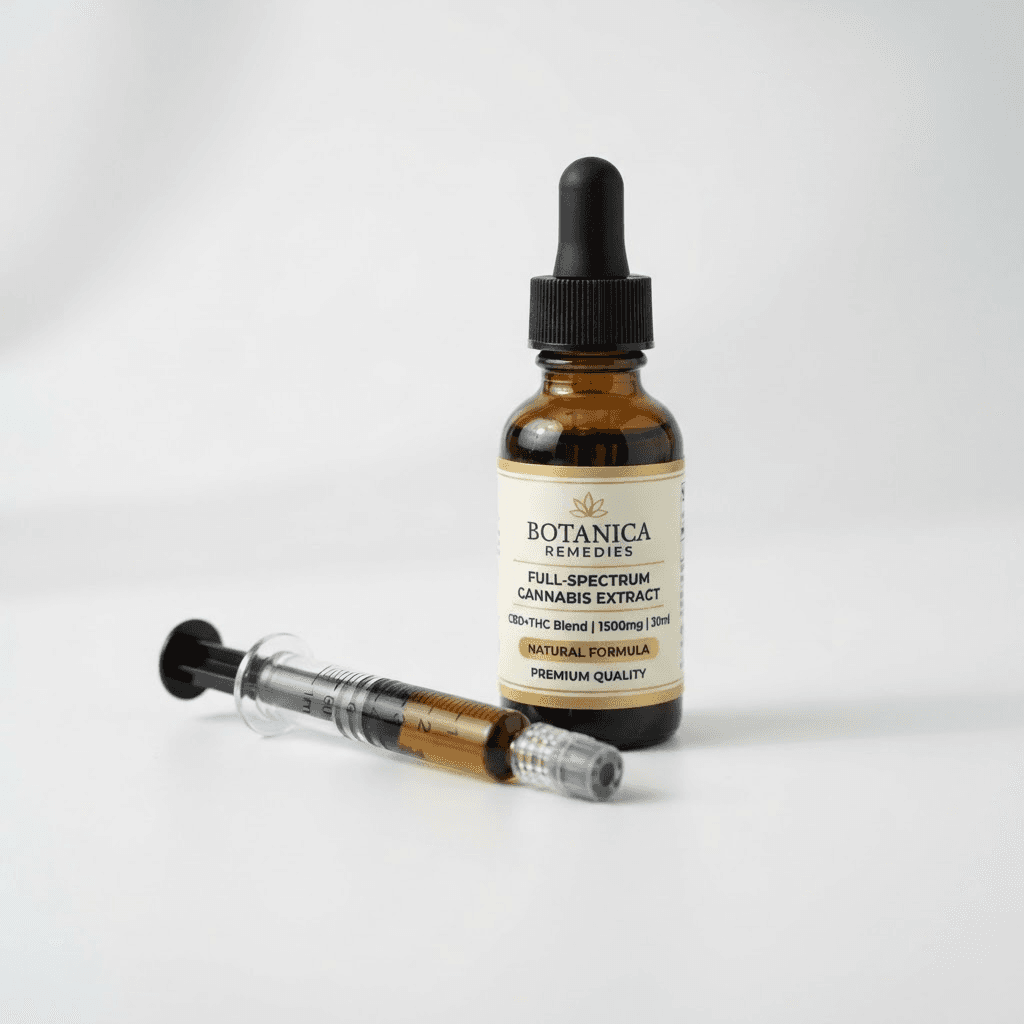
Why Proper RSO Storage Matters
Rick Simpson Oil contains cannabinoids and aromatic compounds that can gradually change when exposed to unfavorable storage conditions. Light, heat, oxygen, moisture, and temperature instability can all contribute to changes in the composition and overall quality of a cannabis concentrate.
Light exposure can accelerate degradation, particularly when the product is repeatedly exposed to direct sunlight or strong artificial light. Heat can speed up chemical reactions and may contribute to the gradual breakdown or transformation of cannabinoids and volatile compounds. Oxygen exposure can also contribute to oxidation over time, while excess moisture may create additional storage concerns.
Proper storage helps slow these processes. Keeping RSO in a cool, dark, stable environment with minimal exposure to air can help maintain its original characteristics for longer.
Since RSO can represent a significant investment, good storage practices may also help you get more consistent value from the product. Properly preserved RSO is more likely to retain its original potency and overall profile than RSO that has been repeatedly exposed to heat, light, or other unfavorable conditions.
Factors That Affect RSO Quality
Several environmental conditions can influence how RSO changes over time. Understanding these factors makes it easier to create a storage environment that protects the product as much as possible.
Degradation Factors
- Light: UV and visible light can contribute to cannabinoid and terpene degradation over time.
- Heat: Higher temperatures can accelerate chemical changes and reduce long-term stability.
- Oxygen: Prolonged exposure to air can contribute to oxidation and changes in cannabinoid composition.
- Humidity: Excess moisture can create undesirable storage conditions and may increase the risk of contamination.
- Temperature Fluctuations: Repeated changes in temperature can affect consistency and may contribute to condensation or other storage issues.
Cannabinoid Stability
- THCA Conversion: Heat can encourage the conversion of THCA into THC through decarboxylation.
- THC Oxidation: Over extended periods, THC can gradually oxidize and change into other compounds.
- CBD Stability: CBD may demonstrate different stability characteristics from THC during storage.
- Terpene Volatility: Aromatic terpenes are volatile compounds that can gradually evaporate or change when exposed to heat and air.
- Full-Spectrum Profile: Changes in individual compounds can alter the overall chemical and aromatic profile of a full-spectrum extract.
Optimal Storage Conditions
The best RSO storage environment is generally cool, dark, dry, and stable. The goal is to reduce exposure to the environmental conditions most likely to accelerate changes in the product.
Storage Parameters
Temperature
Cool and stable conditions are preferred.
Avoid prolonged exposure to high temperatures and repeated temperature changes.
Light
Keep RSO protected from direct light.
Dark glass, opaque packaging, or a dark storage area can help limit exposure.
Humidity
Choose a dry storage environment.
Avoid areas with frequent moisture or humidity, such as bathrooms.
Air Exposure
Minimize unnecessary contact with oxygen.
Keep containers tightly closed and properly sealed between uses.
Best Practices
- ✓Keep RSO in its original packaging when appropriate.
- ✓Store it in a cool, dark cupboard or drawer for convenient regular access.
- ✓Use an appropriate airtight container if transferring the product.
- ✓Avoid unnecessary prolonged contact with unsuitable plastics.
- ✓Keep RSO away from kitchens, bathrooms, and other humid environments.
- ✓Store securely away from children and pets.
Storage Locations: Which Works Best?
The best storage location depends on how frequently you use your RSO, how long you intend to keep it, and how stable the environment is. The following options provide different levels of convenience and preservation.
Dark Cupboard or Drawer
A dark cupboard or drawer is convenient for RSO that is being used regularly. It provides protection from direct light and can be suitable when the surrounding temperature remains relatively stable. Choose an interior location away from appliances, windows, heating vents, and other sources of heat.
Refrigerator
Refrigeration provides a consistently cool environment and can be useful for longer-term storage. RSO may become thicker when chilled, so allow it to return to a workable consistency according to the manufacturer's instructions before use. Keep the container tightly sealed to minimize condensation and moisture exposure.
Freezer
Freezing may be considered for extended storage when permitted by the product manufacturer. Very low temperatures can make RSO extremely thick, so the product may require gradual warming before use. Avoid repeated freeze-and-thaw cycles because frequent temperature changes may be less desirable than maintaining a consistently stable storage condition.
Vacuum-Sealed and Frozen
Combining low-temperature storage with reduced oxygen exposure may provide additional protection for long-term preservation. However, the packaging must be appropriate for freezing, and the product should remain protected from moisture and repeated temperature cycling.
How Long Does RSO Last?
There is no single shelf-life period that applies to every RSO product. Actual longevity depends on the original formulation, packaging, production quality, storage conditions, exposure to air and light, and the manufacturer's recommended expiration date.
General Storage Considerations
Room Temperature
Best suited for short- to moderate-term storage when the environment is cool, dark, and stable.
Cool Cupboard
A practical option for regularly used RSO when direct light and heat are minimized.
Refrigerated
Provides a cooler and more consistent environment for longer storage, provided the container remains sealed.
Frozen
May be appropriate for extended storage depending on the product and manufacturer's instructions.
Frozen With Reduced Oxygen Exposure
May offer additional preservation benefits for long-term storage when packaging is suitable.
Understanding Potency Changes
RSO stored at room temperature may undergo gradual changes more quickly than product kept in a consistently cool environment.
Refrigeration can help slow degradation by reducing exposure to elevated temperatures.
Freezing may further slow chemical changes, although appropriate packaging and avoidance of repeated freeze-thaw cycles remain important.
Because degradation rates vary between products, rely on the manufacturer's expiration date and storage recommendations whenever they are available.
Does RSO Expire?
RSO does not necessarily become unusable immediately when it reaches the printed expiration date. However, expiration dates are important because they represent the manufacturer's expected period of quality and stability when the product is stored according to recommended conditions.
Over time, older RSO may experience changes in potency, aroma, flavor, color, texture, and overall chemical composition. The rate of change depends heavily on how the product was stored. RSO exposed repeatedly to heat, light, oxygen, or moisture may change more quickly than a product kept in a consistently appropriate environment.
If your RSO is past its expiration date, inspect the product carefully and consider the manufacturer's guidance. If there are signs of contamination, unusual odor, or other significant changes, it is safer to discard the product rather than use it.
Signs That RSO Has Changed
Changes in appearance or consistency do not always mean that RSO is unsafe, but significant changes should be investigated before use. Monitor stored RSO for the following signs:
Color Changes
RSO is often naturally dark in color, and some variation between products is normal. However, substantial changes in color over time may indicate oxidation or other changes in the product. Compare the current appearance with the original product whenever possible.
Smell or Aroma Changes
A gradual reduction in aroma may occur as volatile terpenes change or evaporate. However, an unusual, rancid, spoiled, or otherwise unpleasant odor may indicate degradation or contamination. When in doubt, do not use the product.
Consistency Changes
RSO can become thicker or thinner depending on temperature. Some crystallization or changes in viscosity may be reversible. However, unexpected separation, unusual particles, or significant changes that cannot be explained by temperature should be treated cautiously.
Mold or Visible Contamination
Any visible mold, unexpected growth, foreign material, or obvious contamination is a reason to discard the product. Do not attempt to remove contamination and use the remainder.
Best Practices for Handling RSO
Proper storage is only part of maintaining RSO quality. The way you handle the product during everyday use can also influence its long-term condition.
- •Minimize exposure to air by closing the syringe or container immediately after use.
- •Wash your hands before handling containers or transferring RSO to reduce the risk of contamination.
- •Avoid prolonged exposure to excessive heat, even if the product appears visually normal afterward.
- •Avoid unnecessary repeated heating and cooling cycles.
- •Record the purchase date and, when useful, the storage location and condition of the product.
- •Use older product before newer product when maintaining multiple containers.
Temperature Fluctuations and Their Impact
Temperature stability is an often-overlooked part of proper RSO storage. Moving the product repeatedly between hot and cold environments can create unnecessary stress on the product and its packaging.
For example, storing RSO in a refrigerator overnight and then leaving it in a warm room during the day creates repeated temperature cycles. If moisture enters the container or condensation develops, the resulting environment may be less favorable for long-term preservation.
The best approach is to choose a storage location with a relatively consistent temperature. If you store RSO at room temperature, keep it away from windows, heating vents, appliances, and other sources of temperature changes.
Interior closets, cupboards, and other naturally stable areas may be preferable to locations exposed to direct sunlight or extreme seasonal temperature changes. For longer-term storage, a consistently controlled refrigerator or freezer may offer greater environmental stability.
RSO Storage During Travel
Traveling with RSO introduces additional storage challenges. During transportation, the product may be exposed to heat, sunlight, vibration, or physical damage. For short journeys, keeping RSO sealed inside a protective bag and away from direct sunlight may be sufficient.
Longer journeys may require additional temperature protection. Insulated containers can help reduce exposure to external heat, although any cooling method should be used carefully to avoid excessive condensation or repeated temperature cycling.
Never leave RSO in a parked vehicle for extended periods. Interior vehicle temperatures can rise rapidly, even when the outside temperature appears moderate. Excessive heat can negatively affect the product and may damage packaging.
Cannabis laws also vary significantly between jurisdictions. Before traveling with RSO, verify the laws that apply to your route, destination, and method of transportation. Crossing borders or traveling between jurisdictions with different cannabis regulations may create legal risks regardless of how the product is stored.
Comparing Container Types for RSO Storage
Whenever possible, keeping RSO in its original manufacturer packaging is often the simplest option. Original packaging is generally designed for the product and may include important information such as batch details, potency information, and expiration dates.
If transferring RSO is necessary, the container material becomes an important consideration. Choose a container that protects against light, limits air exposure, and is compatible with concentrated cannabis extracts.
Dark Glass Containers
Dark glass provides strong protection against light while offering a chemically stable storage surface. A properly sealed glass container can be a useful option when transferring RSO, provided the container is appropriate for the product and can be securely closed.
Silicone Containers
High-quality silicone containers are flexible, durable, and often convenient for concentrated products. However, thick oils may adhere to silicone surfaces, potentially making it more difficult to remove all of the product. Choose appropriate food- or medical-grade materials when applicable.
Plastic Containers
Plastic containers vary significantly in quality and chemical compatibility. Some may be suitable for short-term use, while others may not provide the same long-term stability as properly selected glass or manufacturer packaging. When possible, follow the producer's packaging recommendations.
Metal Containers
Metal containers can provide excellent protection from light, but their suitability depends on the material, internal coating, and compatibility with concentrated extracts. Use only containers specifically designed for storing products of this type.
Long-Term Storage Strategies for Large Quantities
If you maintain a larger RSO supply, organization and consistency become especially important. Instead of opening multiple containers repeatedly, consider keeping the majority of your supply sealed while maintaining only a smaller amount for regular use.
Reduced oxygen exposure can help limit oxidation during long-term storage. Appropriate airtight packaging may therefore be beneficial when preserving sealed product for extended periods. If using vacuum-sealed packaging, make sure the method is appropriate for the product and does not damage the original container.
Long-term frozen storage may also be considered when compatible with the product and manufacturer's recommendations. Keep containers protected from moisture and avoid repeatedly moving them between frozen and warmer environments.
For larger supplies, maintaining a simple inventory system can make storage easier. Record purchase dates, expiration dates, batch information, and storage locations. Using the oldest product first helps prevent unnecessary aging and allows you to maintain a more predictable rotation of your supply.
Storage Safety and Security
Proper RSO storage is also about safety and security. Because RSO is highly concentrated, it should be stored in a location where children, pets, and unauthorized individuals cannot accidentally access it.
Consider using a secure cabinet, lockbox, or other controlled storage location. Keep the original labeling whenever possible so that the product can be correctly identified and its expiration and batch information remain accessible.
If you share your home with roommates or family members, communicate clearly about who can access the product. RSO should never be mistaken for ordinary food, supplements, or other household products.
You should also consider applicable local laws and any relevant insurance requirements. Cannabis regulations differ between jurisdictions, and insurance policies may treat cannabis products differently from other household items. Check the rules that apply to your location and storage situation.
Preserve Your RSO Investment
Proper storage is one of the simplest ways to protect the quality and value of your RSO. The basic principles are straightforward: limit exposure to light, avoid excessive heat, reduce unnecessary oxygen exposure, prevent contamination, and maintain a stable storage environment.
For RSO that you use regularly, a cool, dark, and convenient storage location may be the most practical solution. For longer-term storage, a more controlled environment may provide additional protection. Regardless of the method you choose, following the manufacturer's storage instructions should always be your first priority.
Remember that no storage method can prevent all changes indefinitely. RSO naturally changes over time, and factors such as formulation, packaging, production quality, and storage conditions all influence how quickly those changes occur. Proper storage simply helps slow unnecessary degradation and preserve the product's original characteristics for as long as reasonably possible.
The most important takeaway is consistency. Keep RSO protected from direct light, avoid excessive temperatures, minimize unnecessary exposure to air, and choose a secure location that remains as stable as possible. By making proper storage part of your routine, you can help protect your RSO investment and maintain better consistency throughout the product's usable life.