
Rick Simpson Oil: Complete Guide to History, Production, and Therapeutic Use
Explore the fascinating history, science, and practical applications of Rick Simpson Oil
Who is Rick Simpson? The Man Behind the Legend
Rick Simpson is a Canadian engineer and cannabis activist whose personal health journey sparked global interest in high-potency cannabis extracts. Born in 1957, Simpson spent decades working as an engineer in Nova Scotia before his life changed dramatically in 2002 following a workplace accident involving electrical injury. This injury set in motion a series of events that would lead to his development of what became known globally as Rick Simpson Oil (RSO) and his advocacy for cannabis access to the general public.
Following his workplace accident in 2002, Simpson experienced worsening symptoms over the next year, seeking help from conventional medical systems with increasingly frustrating results. Then, in 2003, he developed basal cell carcinoma—a skin cancer—on the back of his neck. After consulting dermatologists and considering conventional treatment options, Simpson grew skeptical of their effectiveness based on his earlier medical experiences. He began researching alternative approaches, which led him to investigate cannabis, particularly inspired by a 1975 research study showing THC's potential effects on tumor growth in laboratory mice.
Drawing on his engineering background and research findings, Simpson developed his own cannabis oil extraction method using solvent-based techniques. He reportedly applied the resulting oil topically to his neck lesion and claimed the growth disappeared within days. This personal success story became the genesis of Rick Simpson Oil—an extract he began producing and sharing freely with others who sought his help. Through word-of-mouth and eventually internet platforms, Simpson's story spread globally, inspiring millions to explore cannabis for various health conditions.
The Viral Rise of RSO: From Personal Journey to Global Phenomenon
Simpson's legacy grew exponentially through the 2000s via online platforms and a 2008 documentary titled "Run from the Cure," which detailed his extraction method, personal story, and claims about cannabis's therapeutic potential. The film resonated globally, particularly with cannabis advocates and those seeking alternatives to conventional medicine. Simpson's philosophy emphasizing cannabis access and his willingness to share information freely (rather than patenting his method) contributed to RSO's grassroots appeal.
However, Simpson's journey wasn't without consequences. His cannabis production and distribution activities, while legal arguments aside, drew attention from Canadian law enforcement. After multiple legal challenges, Simpson eventually faced significant pressure and eventually relocated to avoid prosecution, becoming an international symbol of cannabis activism and medical freedom advocacy. His case highlighted the tension between conventional medical regulation and emerging public interest in cannabis therapeutics.
By the 2010s, as cannabis legalization spread across North America and globally, Simpson's influence shifted from underground activist to respected advocate for cannabis research and patient access. His extraction methods inspired countless home producers and eventually influenced commercial laboratory production. While medical institutions remain cautious about his cancer claims, Simpson himself remained respected for bringing attention to cannabis's therapeutic potential and for his role in the broader legalization movement.
Traditional RSO Production: Simpson's Original Method
Rick Simpson's original extraction method represents surprisingly straightforward chemistry accessible to non-chemists, which partly explains RSO's popularity among home producers. The basic approach involves selecting cannabis flowers, soaking them in a solvent to extract cannabinoids and other compounds, then evaporating the solvent to concentrate the remaining oil. Simpson originally used naphtha (a petroleum distillate) as his solvent, though he later recommended isopropyl alcohol as a safer alternative.
Simpson's original steps: First, obtain quality cannabis (Simpson recommended high-THC indica or indica-dominant strains). Second, place plant material in a large container and cover with solvent—naphtha or isopropyl alcohol. Third, gently agitate for 3-5 minutes while the solvent dissolves cannabinoids. Fourth, strain the liquid into another container, separating plant matter. Fifth, repeat the soaking process 2-3 times for better extraction efficiency. Sixth, carefully evaporate the combined solvent using low heat or air-drying, leaving behind concentrated oil. Finally, if desired, heat the oil further to activate THC from THCA (a process called decarboxylation).
Simpson's method offered accessibility but carried significant safety risks that later became apparent. Naphtha and isopropyl alcohol are flammable, requiring careful handling to avoid explosions or fires. Incomplete solvent purging could leave residual toxic chemicals in the final product. Lack of quality control meant potency and purity varied wildly between batches. Home producers often lacked laboratory equipment to properly test for contaminants or verify safety. These limitations eventually drove production toward regulated laboratory environments with proper safety measures, ventilation systems, and quality controls.
Modern RSO Production: Evolution from Simpson's Method
Contemporary professional RSO production maintains Simpson's foundational approach while incorporating modern safety protocols and quality assurance. Licensed cannabis producers in regulated markets employ food-grade ethanol or CO2 extraction instead of naphtha, dramatically reducing safety risks. Closed-loop extraction systems recirculate solvents, further improving safety and environmental responsibility. Laboratory-grade vacuum chambers and controlled temperature conditions optimize extraction efficiency while preserving sensitive terpenes that degrade at high heat.
Modern professional RSO production includes: Rigorous cannabis material selection and testing for mold, pesticides, and contaminants before extraction. Extraction performed in ventilated laboratory facilities with safety protocols and trained chemists. Solvent purging using vacuum ovens or rotary evaporators to ensure complete solvent removal. Optional decarboxylation under controlled conditions to activate THC. Comprehensive laboratory testing for potency (measuring actual THC content via HPLC), terpene profiles, pesticide residues, heavy metals, and microbial contamination. Careful documentation and quality control throughout all steps. Final packaging in light-resistant, tamper-evident containers with accurate labeling.
This professionalization represents a massive advancement from home production. Modern RSO users can purchase products with documented potency (e.g., "750mg THC per gram" verified by laboratory), confidence that solvent residues have been eliminated, and assurance that microbiological safety has been confirmed. This standardization enabled RSO to enter legitimate retail markets where regulations demand product safety and consistency.
RSO Composition: Understanding What's in the Bottle
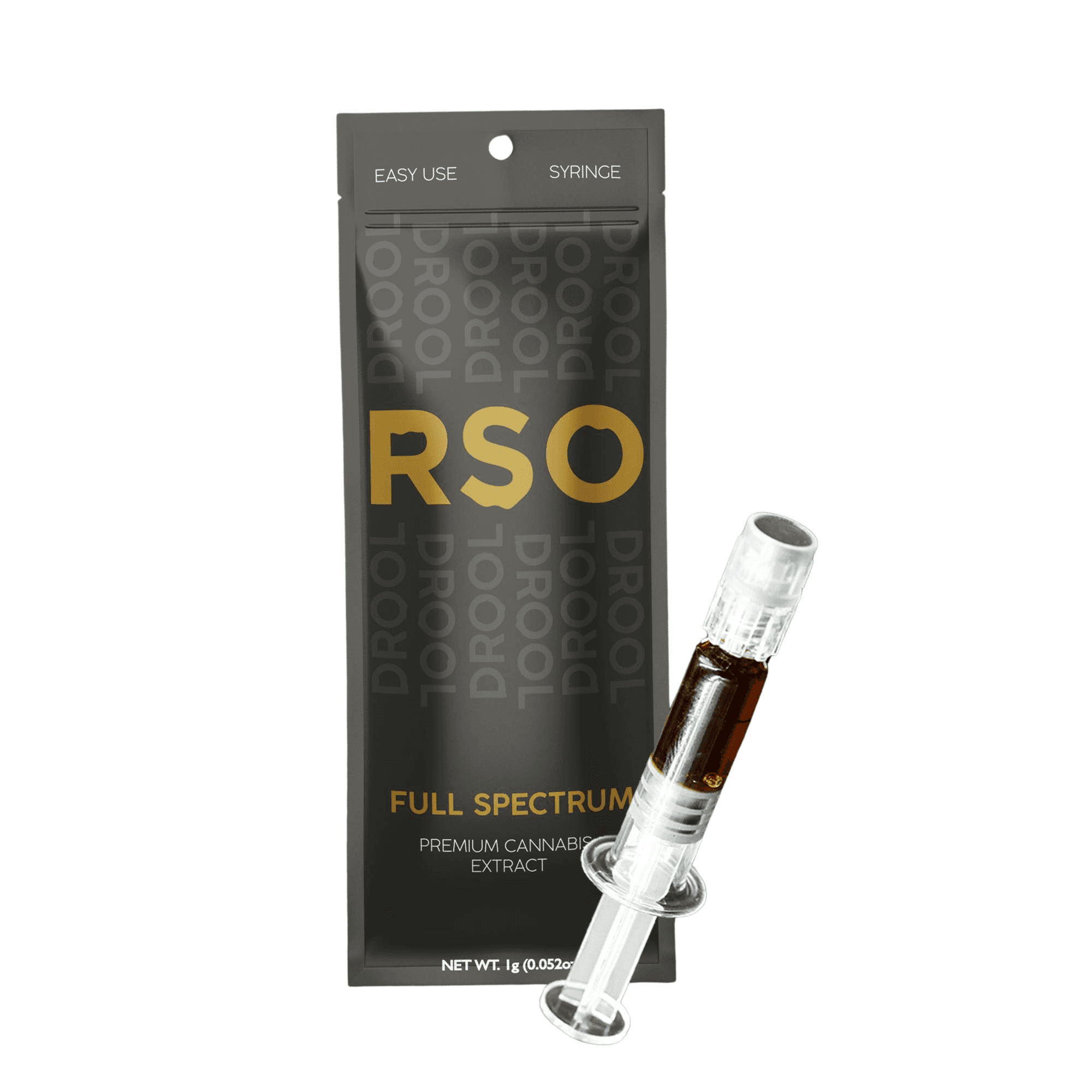
A typical RSO product contains a remarkably complex mixture of cannabis compounds. A standard 1-gram syringe usually delivers 600-900mg of total cannabinoids (60-90% potency), with THC typically comprising 500-900mg of that total. Unlike FECO which offers balanced ratios, RSO emphasizes high-THC dominance, reflecting its original design for intensive therapeutic use.
Beyond THC, RSO contains important minor cannabinoids: CBD (though typically less than 5% in high-THC RSO), providing anti-anxiety and anti-inflammatory effects; CBG contributing antibacterial properties; CBN offering sedation and pain relief; and trace amounts of THCV, CBC, and others. These minor cannabinoids work synergistically with THC through the entourage effect, potentially enhancing overall therapeutic outcomes compared to isolated THC alone.
Terpenes in RSO, preserved through careful low-temperature extraction, include myrcene (sedative, anti-inflammatory), limonene (uplifting, anti-inflammatory), pinene (alertness, anti-inflammatory), linalool (relaxation), beta-caryophyllene (CB2 agonist, pain relief), and dozens of others. These compounds don't just provide cannabis's distinctive aroma—they actively modulate cannabinoid effects, contributing to the full-spectrum therapeutic profile that Simpson emphasized.
The Science of RSO: How It Works in the Body
RSO's therapeutic effects result from interactions with the human endocannabinoid system (ECS), a regulatory network discovered in the 1990s that maintains homeostasis across numerous body systems. The ECS includes cannabinoid receptors (CB1 concentrated in the brain and nervous system, CB2 in immune tissue), endocannabinoid signaling molecules (anandamide, 2-AG), and degradation enzymes. This system normally maintains balance in pain signaling, inflammation, mood, sleep, appetite, immune function, and more.
When RSO's THC enters the body, it binds to CB1 receptors in the brain and central nervous system, producing psychoactive effects and pain relief. This CB1 activation blocks pain signal transmission, promotes relaxation, and produces the characteristic "high" associated with cannabis. THC also binds CB2 receptors in peripheral tissues, contributing to immune modulation and inflammation reduction. RSO's minor cannabinoids and terpenes activate additional pathways—CBD modulates CB1 signaling (reducing THC's psychoactivity while enhancing pain relief), while terpenes activate non-cannabinoid receptors like TRPV1 (involved in pain perception) or serotonin receptors (relevant to anxiety and mood).
This multi-pathway approach explains why RSO users often report more comprehensive benefits than isolated THC—the full-spectrum approach creates synergistic effects through the "entourage effect" where each compound enhances others' therapeutic potential. Modern neuropharmacology increasingly validates this model, demonstrating that cannabis's complexity is actually a feature, not a bug, enabling flexible, adaptable therapeutic effects across diverse conditions.
Reported Therapeutic Benefits and Scientific Status
Pain Management: RSO's high THC content provides strong analgesia for chronic pain conditions. Users report relief from arthritis, neuropathy, fibromyalgia, post-surgical pain, and cancer pain. Research validates THC's effectiveness for some pain types—FDA-approved synthetic THC (dronabinol) is specifically indicated for pain management. RSO's full-spectrum profile potentially enhances pain relief compared to isolated THC through minor cannabinoid and terpene contributions.
Sleep and Insomnia: Indica-dominant RSO's natural sedative properties—myrcene, CBN, and THC—promote deeper, longer sleep. Users consistently report improved sleep quality with evening RSO doses. Research confirms THC's sedative effects and CBN's sleep-specific cannabinoid actions. However, regular heavy THC use can eventually disrupt sleep architecture (REM sleep), requiring tolerance breaks for maintenance of benefits.
Nausea and Appetite: FDA-approved THC pharmaceuticals specifically treat chemotherapy-induced nausea and appetite loss. RSO's full-spectrum THC content delivers these benefits, often appreciated by cancer patients undergoing chemotherapy. These benefits don't treat cancer but significantly improve quality of life during treatment.
The Cancer Question: This requires careful nuance. Preclinical studies show cannabinoids inhibiting tumor growth in laboratory and animal models. A 1975 study first documented this. However, animal models rarely predict human efficacy. Human clinical trials examining RSO specifically for cancer are essentially non-existent. Simpson's personal story remains anecdotal without controlled scientific validation. A 2021 National Academies of Sciences review found insufficient evidence that cannabis or cannabinoids treat cancer in humans. While some observational studies document improved symptom management and quality of life in cancer patients using cannabis, these don't establish direct anti-tumor effects.
Medical consensus maintains that RSO should complement, never replace, proven cancer treatments. RSO's role in cancer care remains symptom management and quality-of-life improvement alongside conventional oncology care.
The Famous 90-Day Protocol: Simpson's Intensive Regimen
Simpson popularized a specific dosing protocol—the "60 grams over 90 days" intensive regimen—designed for serious therapeutic applications. This protocol begins with micro-doses and gradually increases to approximately 1 gram daily (700-900mg THC) by week 12, then maintains that level. The goal was building exceptional tolerance while delivering high cumulative cannabinoid exposure, theoretically supporting intensive therapeutic effects.
Traditional 90-day protocol overview: Weeks 1-5 emphasize acclimation, starting with rice-grain doses (20-50mg) three times daily and doubling every 4-5 days. By week 5, most users reach approximately 0.5g daily (350-400mg THC). Weeks 6-12 involve progression to 1g daily split across multiple doses. After 12 weeks, users maintain 1-2g monthly (preventing tolerance buildup) or follow symptom-specific dosing. However, most users need far less than 1g daily for therapeutic benefit; this protocol represents the intensive end of the spectrum.
Important caveat: This protocol evolved from Simpson's anecdotal experience and cannabis culture wisdom rather than rigorous clinical trials. Medical professionals increasingly recommend more conservative approaches—achieving therapeutic benefit at 0.3-0.5g daily rather than pursuing maximal dosing. Individual responses vary tremendously; what's optimal for one person may be excessive for another. Anyone considering intensive RSO protocols should do so under professional medical supervision with regular monitoring.
Safe Dosing and Administration
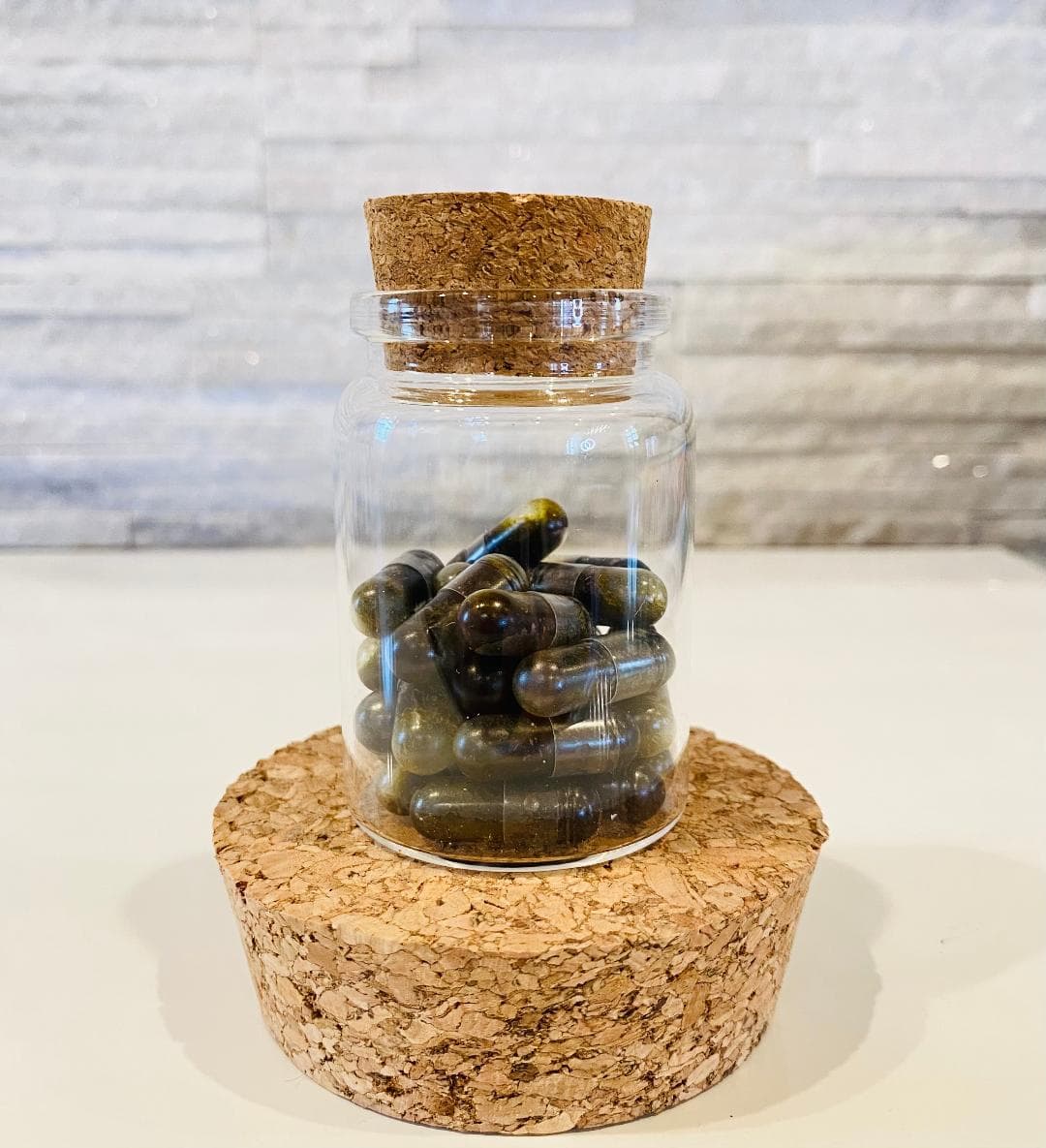
RSO's potency demands extreme caution. A single rice-grain dose (~40-80mg THC) is substantial—equivalent to several cannabis edibles. Beginners should start with half a rice grain, wait 2-3 hours to assess effects, then gradually titrate. Common routes include sublingual (under-tongue absorption for faster onset), oral with food, in capsules, or topically. Sublingual onset is faster (45-90 minutes) than oral (60-120 minutes), but oral effects last longer (6-12 hours). Documentation through detailed journaling helps optimize individual protocols.
RSO Legacy and Future Directions
Rick Simpson's contributions to cannabis medicine are undeniable: he inspired millions to explore cannabis, influenced legalization movements, and demonstrated that cannabis extraction science is accessible. His story exemplifies the power of personal narrative in driving social change. However, his cancer claims remain scientifically unvalidated, and responsible medical professionals maintain that RSO complements rather than replaces proven cancer treatments.
Looking forward, RSO will likely continue evolving: increasingly professionalized production in regulated environments, more rigorous clinical research on long-term safety and efficacy, integration into medical cannabis programs with professional oversight, and development of RSO-based pharmaceuticals. While Simpson's legendary status in cannabis culture is assured, the future of RSO depends on scientific validation, responsible use, and moving beyond anecdotal claims toward evidence-based medicine.
Conclusion: Honoring Simpson's Legacy While Embracing Science
Rick Simpson Oil represents a fascinating intersection of personal health journey, scientific curiosity, cannabis advocacy, and public health evolution. Simpson's story—from workplace accident to cannabis extraction innovator—inspired millions and contributed significantly to cannabis legalization efforts globally. His extraction method, initially dangerous and unreliable, evolved into professional laboratory production meeting pharmaceutical safety standards.
Yet responsible understanding of RSO requires acknowledging the gap between Simpson's claims and scientific validation. His cancer assertions remain anecdotal without large-scale human clinical evidence. His early claims, while inspiring, shouldn't dissuade people from proven cancer treatments. Instead, RSO's genuine value lies in symptom management: pain relief, sleep support, nausea control, anxiety management—all supported by emerging scientific evidence and countless user testimonials.
As medical cannabis continues evolving through 2026 and beyond, RSO will occupy an important niche: high-potency full-spectrum extract for those seeking intensive cannabinoid therapy. Whether for chronic pain, cancer treatment side-effects, insomnia, or other conditions, RSO offers a legitimate therapeutic option when produced professionally and used responsibly under medical guidance. Rick Simpson's legacy endures not in unproven miracle cures, but in demonstrating cannabis's complex therapeutic potential and inspiring the scientific and medical communities to investigate what his extraction method preserved—the full-spectrum synergy of the cannabis plant.