
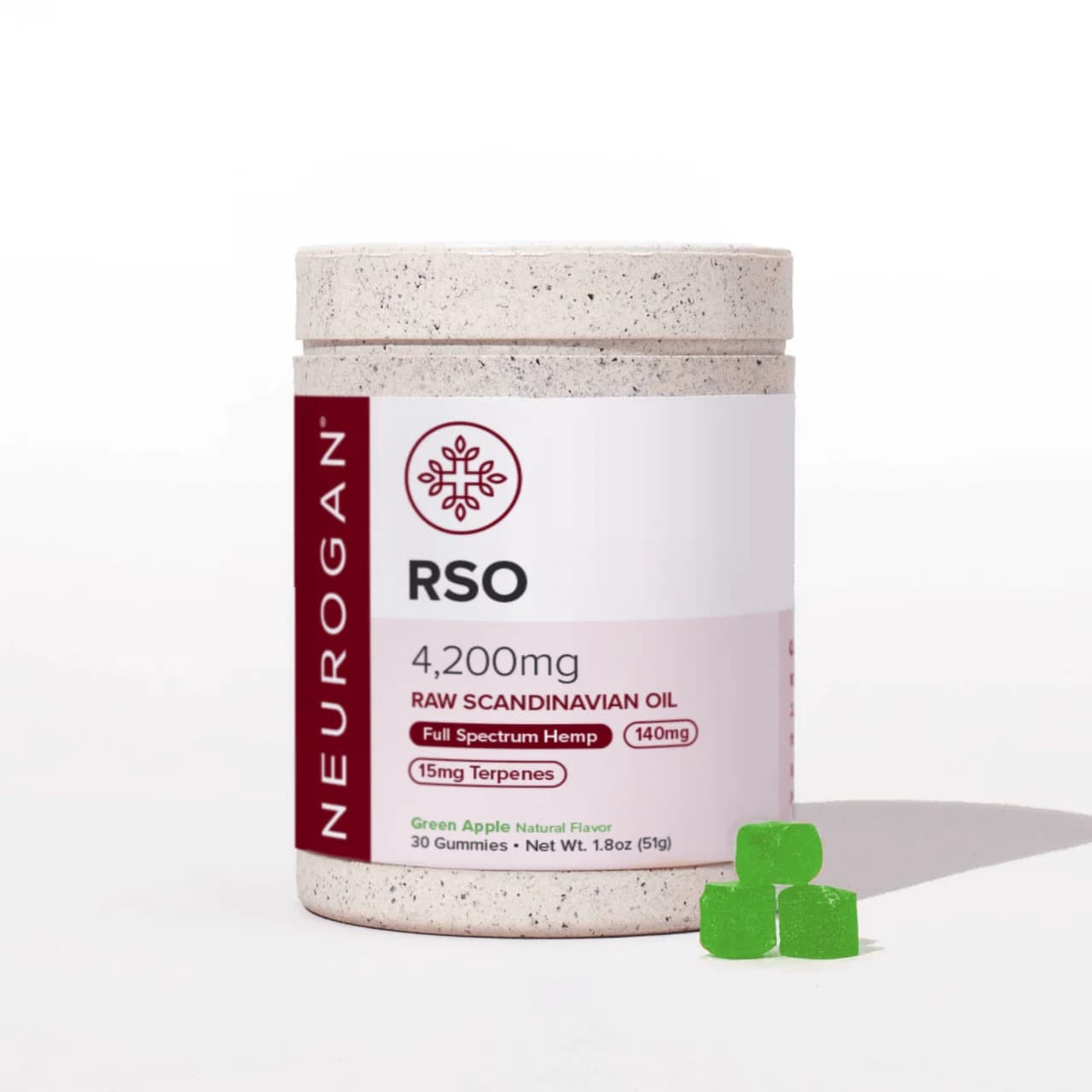
Rick Simpson Oil (RSO): Complete Guide
RSO at a Glance
- Origins: Rick Simpson Oil developed by cannabis advocate Rick Simpson as a therapeutic concentrate
- Key Characteristic: Full-spectrum extraction preserving all cannabinoids, terpenes, and plant compounds
- Potency Level: Highly concentrated with 50-90% THC content – one of the strongest cannabis oils available
- Primary Applications: Chronic pain, sleep disorders, anxiety, inflammation, and cancer-related symptoms
What is Rick Simpson Oil (RSO)?Understanding Full-Spectrum Cannabis Extract
Rick Simpson Oil, commonly abbreviated as RSO, stands as one of the most potent and therapeutically comprehensive cannabis extracts available today. Created and popularized by Rick Simpson in the early 2000s, this full-spectrum cannabis oil has transformed the way many users approach therapeutic cannabis consumption. When you buy rso online, you're obtaining a concentrate that represents decades of extraction refinement and therapeutic application.
What is rso oil exactly? It's a dark, viscous concentrate created through solvent extraction that preserves the complete botanical profile of the cannabis plant. Unlike isolated cannabinoid products, what is rso oil contains hundreds of plant compounds working together in what scientists term the "entourage effect" – a synergistic interaction that amplifies therapeutic benefits.
The Science Behind Full-Spectrum Extraction
The rso oil benefits derive from its unique extraction methodology. Full-spectrum means nothing is removed – the extract contains:
- Primary Cannabinoids: THC and CBD in their natural ratio from the source plant
- Secondary Cannabinoids: CBC, CBN, CBG, and dozens of other therapeutic compounds
- Terpenes: Over 100 aromatic compounds responsible for flavor, aroma, and additional therapeutic effects
- Flavonoids: Antioxidant compounds with anti-inflammatory properties
- Plant Waxes and Lipids: Additional compounds that enhance absorption and bioavailability
This comprehensive profile explains why many medical researchers and therapeutic users believe full-spectrum RSO delivers superior results compared to isolated cannabinoid products. The rso oil benefits manifest not from a single compound but from the coordinated action of hundreds of plant molecules.
Comprehensive Benefits of RSO Oil
The rso oil benefits are extensive and well-documented across therapeutic applications. Here's what research and user reports reveal:
Pain Management & Relief
Perhaps the most well-known rso oil benefits relate to pain relief. The full-spectrum cannabinoid profile addresses multiple pain pathways simultaneously. Users report effectiveness for chronic pain, neuropathic pain, arthritis, migraines, and post-operative discomfort. Studies suggest THC activates pain-relief pathways while CBD and other cannabinoids provide anti-inflammatory support. Many medical patients find that RSO provides better pain management than single-cannabinoid products or traditional pharmaceuticals with fewer side effects.
Sleep Enhancement & Support
RSO oil benefits for sleep are particularly significant for those suffering from insomnia or sleep disruption. The high THC content combined with CBN (a sedative cannabinoid naturally present in aged cannabis) creates a synergistic sedative effect. Users consistently report falling asleep faster, staying asleep longer, and experiencing more restorative sleep. Unlike pharmaceutical sleep aids, RSO allows for natural sleep architecture without morning grogginess for most users.
Anxiety & Stress Reduction
The rso oil benefits for anxiety come from CBD's anxiolytic properties combined with THC's relaxing effects in a balanced full-spectrum formula. Users report reduced anxiety, decreased worry, and improved ability to manage stress. The entourage effect means that minor cannabinoids and terpenes like linalool and myrcene enhance anxiety relief beyond what CBD or THC alone could provide.
Inflammation & Immune Function
The anti-inflammatory properties of RSO oil benefits extend beyond pain relief. The full-spectrum cannabinoid and terpene profile supports healthy inflammatory response throughout the body. Users with inflammatory conditions, autoimmune disorders, and chronic inflammatory diseases report meaningful symptom improvement.
Nausea & Appetite Support
RSO oil benefits include anti-nausea properties and appetite stimulation, making it particularly valuable for cancer patients undergoing treatment, individuals with eating disorders, and those with appetite-suppressing conditions. The full-spectrum approach provides multiple nausea-relief mechanisms working synergistically.
How to Use RSO Oil: Detailed Consumption Guide
Understanding how to use rso oil properly maximizes therapeutic benefits and ensures safe, responsible consumption. Here's the comprehensive guide:
Consumption Methods
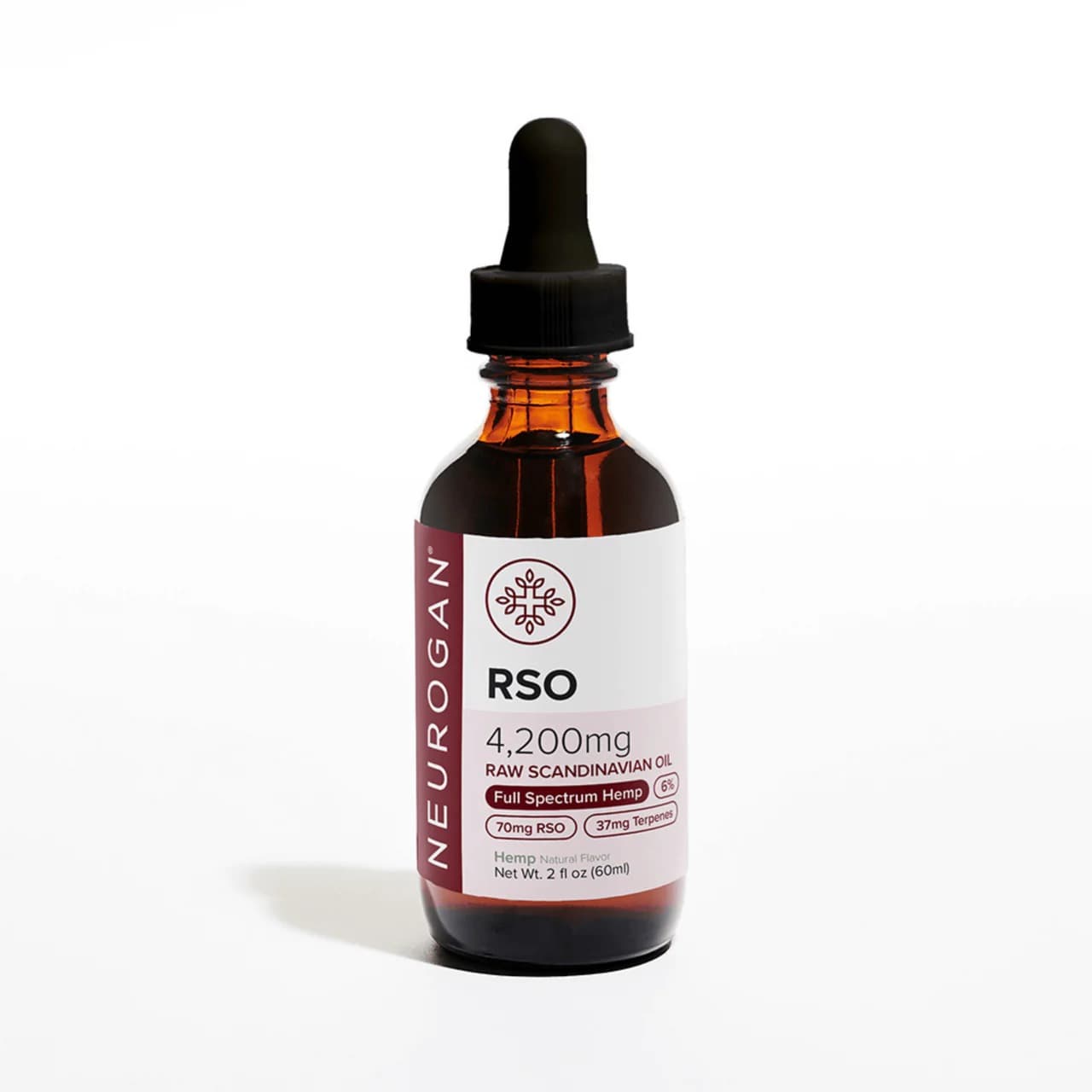
- Oral Ingestion (Most Common): Place on food or take sublingually for absorption through digestive system. Onset: 45-90 minutes, duration: 6-8 hours
- Sublingual Absorption: Hold under tongue for 30 seconds before swallowing for faster absorption. Some users report effects starting at 15-20 minutes
- Topical Application: Some users apply RSO to skin for localized relief, though absorption is limited
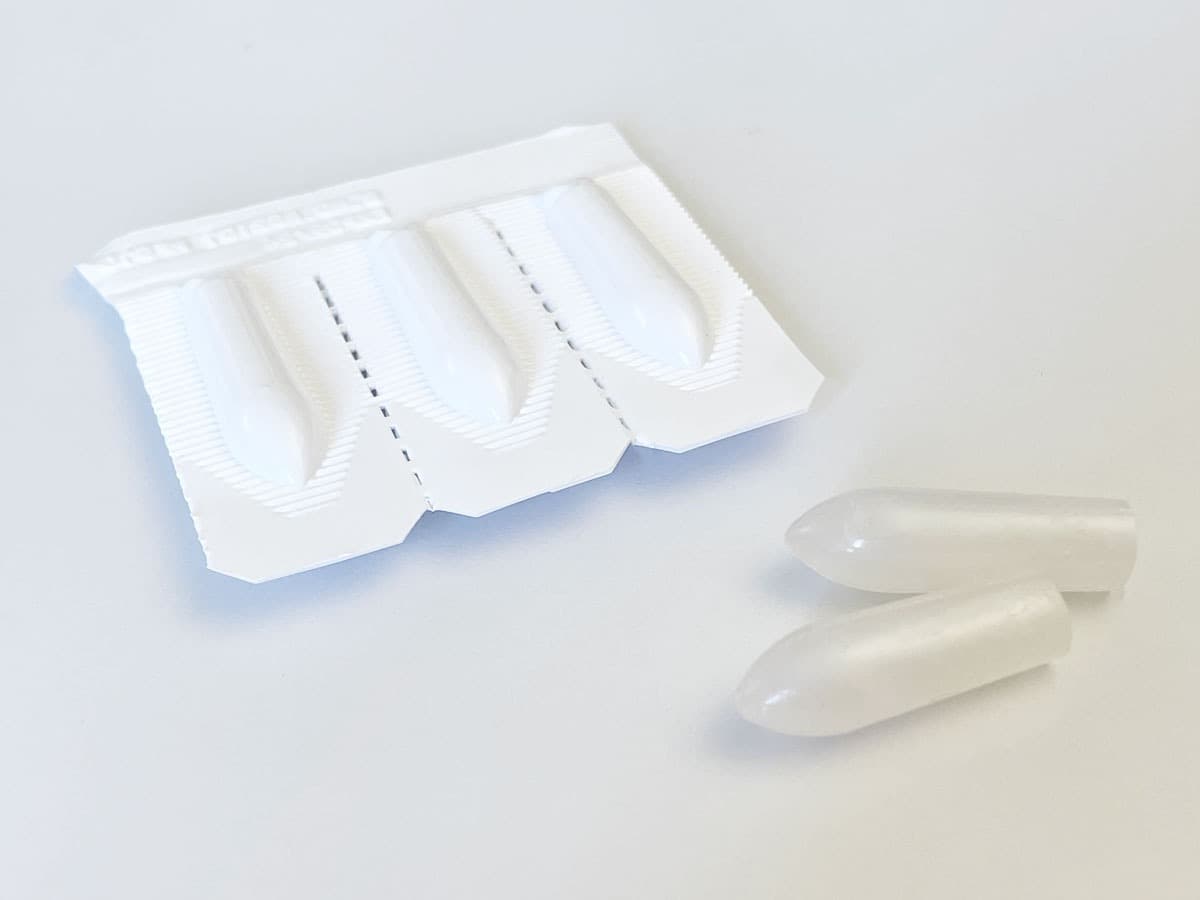
- Rectal Suppositories: Medical users sometimes use RSO in suppository form for rapid absorption and extended effects
Step-by-Step Usage Instructions
- Warm your RSO to room temperature for easier handling
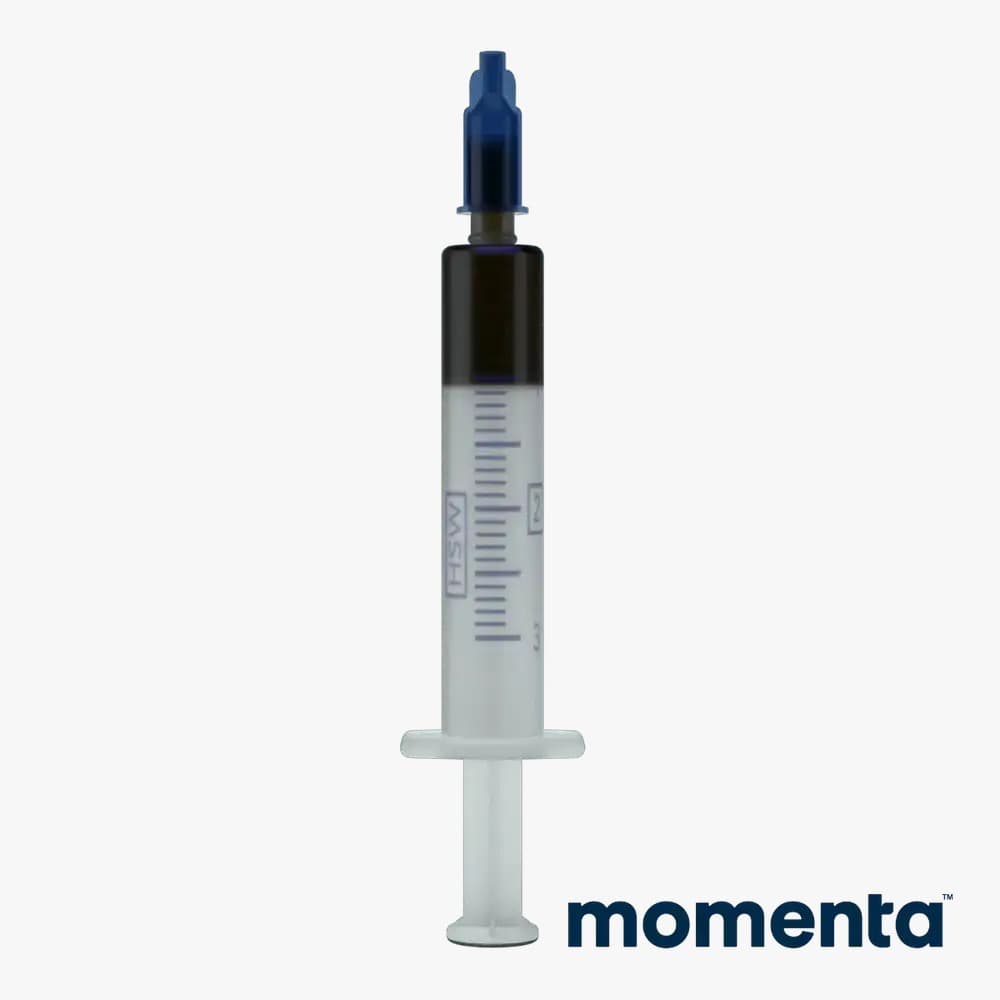
- Measure your dose carefully – use RSO syringes for precise dosing
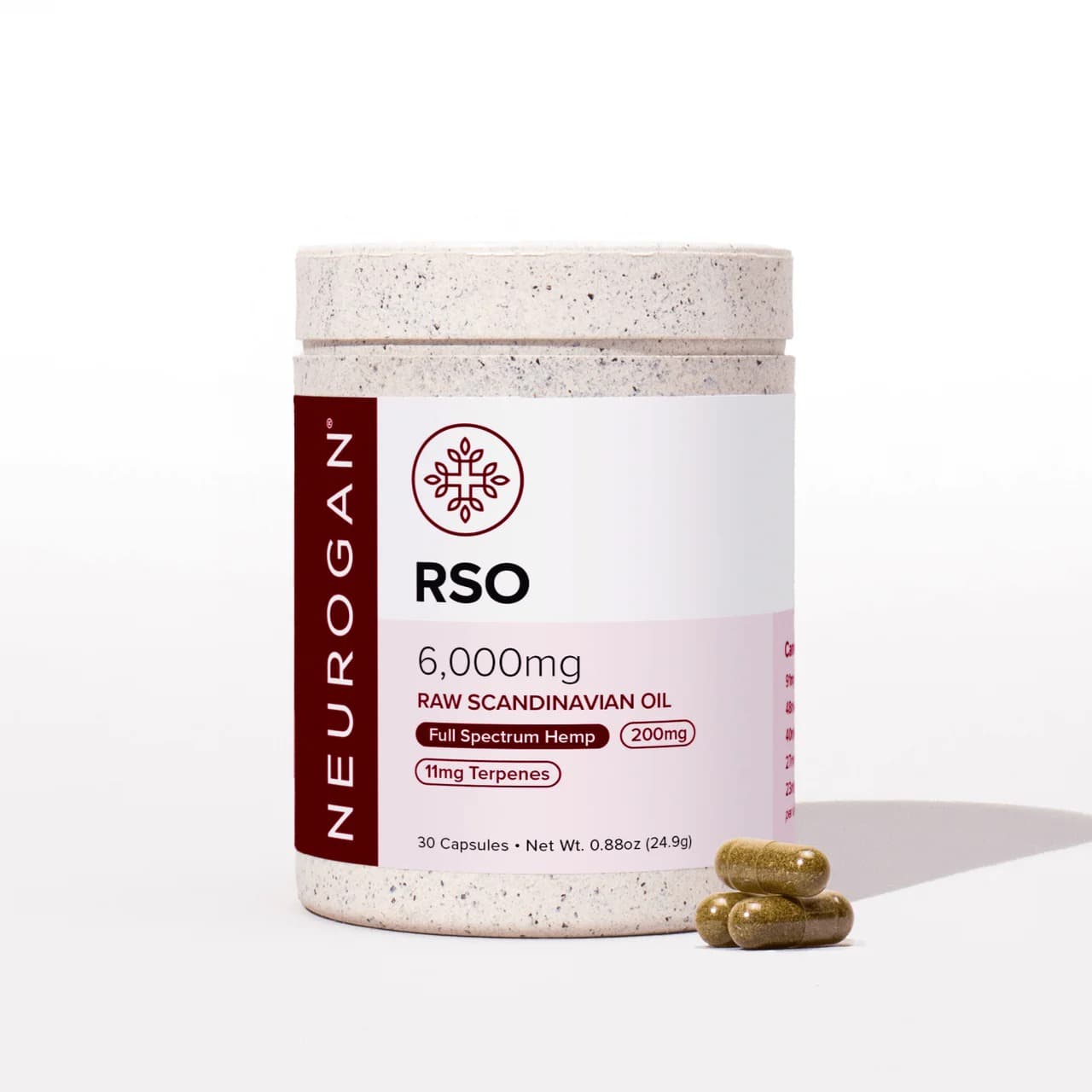
- Place dose on food, under tongue, or in capsules
- Consume with or without food (with food may slow onset but enhance absorption)
- Wait minimum 2 hours before assessing effects
- Do not redose for at least 5-6 hours between doses
- Track your experience for optimal dosage finding
Complete RSO Dosage Guide: Beginner to Therapeutic
The rso dosage guide helps you find your optimal dose safely and effectively:
How Much RSO to Take for Beginners
For new users, the rule is: start incredibly low and increase very gradually. Begin with a rice-grain portion (2-5mg THC). Wait a full week before increasing to slightly more. Many beginners find their therapeutic dose in the 10-15mg range. This conservative approach prevents overwhelming effects and allows your endocannabinoid system to adjust.
Best RSO Dosage for Pain Relief
Medical users seeking the best rso dosage for pain relief typically dose 15-30mg per session. Some users require higher doses (40-50mg+) for severe chronic pain. Pain management often requires consistent daily dosing rather than sporadic use. Many patients find that lower, regular doses provide better long-term pain control than occasional high doses.
Rick Simpson Oil Dosage for Sleep
For sleep support, most users find success with 15-30mg taken 60-90 minutes before bedtime. Some find that consistent evening dosing (nightly for a month) produces better sleep architecture than sporadic use. The rick simpson oil dosage for sleep varies significantly based on body weight, metabolism, and individual sensitivity – keep detailed sleep logs to optimize your dose.
RSO Oil Effects and Benefits Timeline
Understanding the rso oil effects timeline helps you plan consumption strategically:
- 0-30 minutes: No effects (ingested RSO is being digested)
- 30-60 minutes: First subtle effects may begin
- 60-90 minutes: Full effects typically manifest
- 90-180 minutes: Peak effects – maximum therapeutic benefit
- 3-6 hours: Effects gradually diminish
- 6-8 hours: Most effects resolved, though trace amounts may linger
RSO vs FECO: Full Spectrum Comparison
Both RSO and FECO (Full Extract Cannabis Oil) offer full-spectrum benefits, but differences exist. RSO uses naphtha solvent extraction, while FECO uses food-grade ethanol. Some users prefer RSO's traditional extraction method, while others favor FECO's ethanol-based safety profile. Both deliver high-potency cannabis oil effects – your preference may depend on solvent philosophy and personal taste preferences.
Where to Buy RSO Oil: Finding Quality Rick Simpson Oil for Sale
When searching for where to buy rso oil, quality verification is essential. Look for vendors offering:
- Third-party lab testing with published certificates of analysis
- Transparent sourcing and extraction information
- Multiple strain options with clearly labeled THC/CBD percentages
- Professional packaging and discreet shipping options
- Customer testimonials and satisfaction guarantees
RSO Oil Price and Value Considerations
Understanding rso oil price helps you evaluate value. Rick Simpson oil for sale typically ranges $40-$80 per gram, depending on quality, source material, and vendor reputation. Premium indoor-grown RSO commands higher rso oil price due to superior potency and purity. Consider the therapeutic value and long-term health benefits when comparing rso oil price – premium quality often justifies higher costs through superior results.
Safety Considerations and Best Practices
Safe RSO use requires understanding how to take rso safely:
- Start Low: Begin with minimal doses and increase gradually over weeks
- Wait Adequately: Always wait at least 2 hours before assessing effects
- Never Drive: RSO impairs coordination and driving ability for 6-8 hours
- Secure Storage: Keep away from children and pets in cool, dark conditions
- Medical Consultation: Discuss with healthcare providers, especially if taking medications
- Consistent Tracking: Record all doses and effects to optimize your protocol
Experience Premium Rick Simpson Oil
Our lab-tested RSO delivers the complete full-spectrum benefits in convenient formats. Whether you're exploring RSO for the first time or optimizing your therapeutic protocol, we offer premium quality rick simpson oil for sale with verified potency and purity.
Shop Premium RSO Now