
RSO Syringes: Complete Guide to Rick Simpson Oil Syringes
RSO is commonly sold in applicator-style syringes because the format makes thick cannabis oil easier to measure, dispense, store, and transport. This complete guide explains what RSO syringes are, why manufacturers use them, how to handle them, how to interpret potency information, and how to store RSO to help preserve product quality.
If you are comparing RSO products, learning how to use an RSO syringe, or trying to understand the information on a product label, the sections below cover the key factors to consider. Always follow the product manufacturer's instructions and applicable local laws, and consult a qualified healthcare professional if you have questions about cannabis and your individual health circumstances.
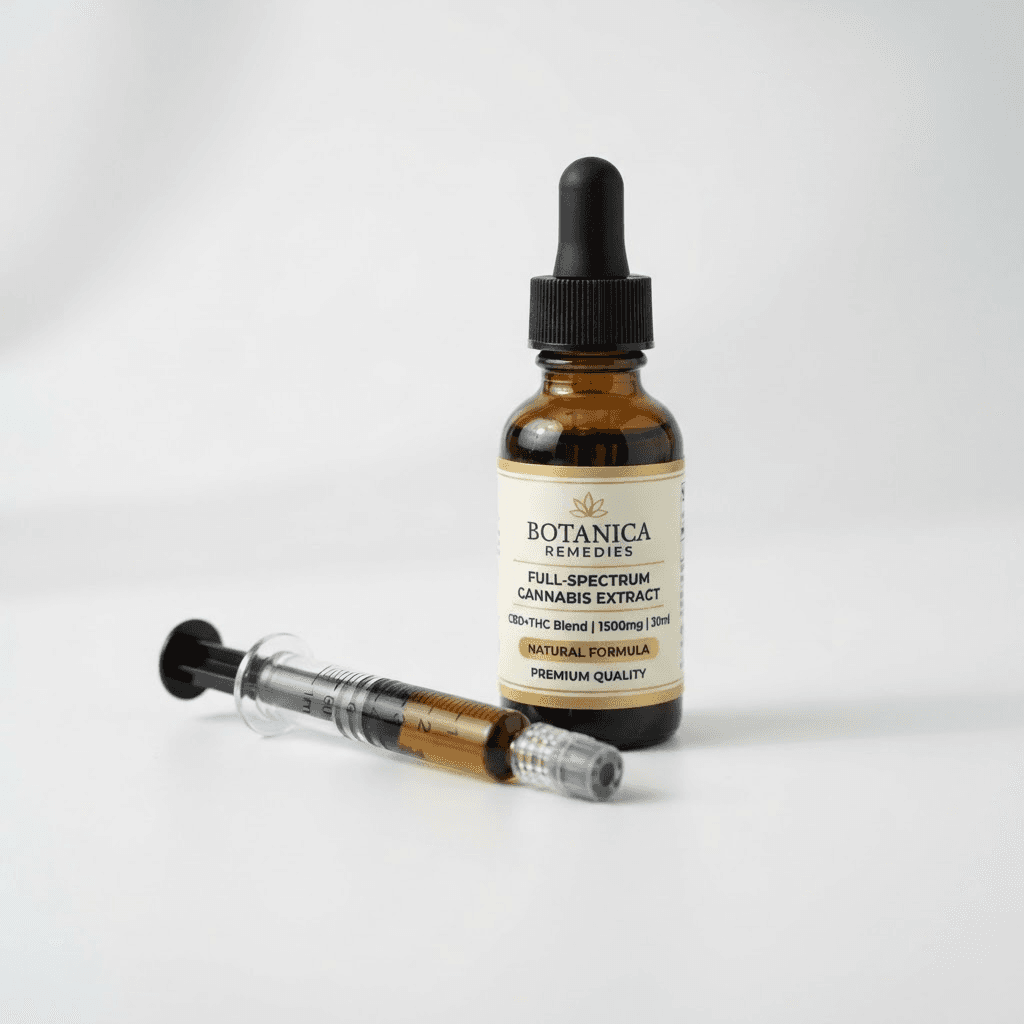
What Are RSO Syringes?
RSO syringes are applicator-style syringes designed to hold and dispense Rick Simpson Oil, a concentrated cannabis extract. Unlike medical syringes used for injections, RSO applicators are not intended for injection and typically use a blunt dispensing tip. They are designed to make thick, viscous oil easier to handle and dispense in small amounts.
The syringe format can be useful because RSO is generally much thicker than ordinary cannabis oils and tinctures. Depending on the product, the applicator may allow the user to dispense a controlled portion of the contents for the manufacturer's intended method of use. Some syringes include graduation markings, although those markings should be treated as approximate unless the manufacturer specifically confirms their accuracy.
RSO syringes are commonly available in different fill sizes, with smaller and larger formats depending on the manufacturer and market. The exact cannabinoid concentration, total cannabinoid content, and recommended serving size can vary considerably between products. For that reason, the product label and Certificate of Analysis (COA), when available, should always be used to determine the actual contents of a specific syringe.
Why Is RSO Packaged in Syringes Instead of Bottles?
The thick consistency of many RSO products makes conventional bottles and droppers less convenient than applicator syringes. A syringe provides a practical way to dispense concentrated oil without requiring the product to be poured or transferred between containers.
A sealed syringe can also help limit unnecessary exposure to air and contaminants during normal handling. Minimizing repeated exposure to oxygen, light, heat, and moisture is generally considered good practice for preserving cannabis concentrates and their chemical profiles over time.
The compact format is another practical advantage. An applicator syringe takes up relatively little space and can be stored in its original packaging when not in use. For manufacturers, the format also provides a convenient surface for product labeling, batch identification, and other information required by applicable regulations.
Product packaging should not, however, be treated as proof of quality. A professionally packaged syringe can still contain a product that has not been independently tested. When available, laboratory testing and batch-specific documentation provide more useful information about potency and contaminant screening than packaging alone.
How RSO Syringes Work: Practical Handling Tips
RSO is often highly viscous, and its consistency can change with temperature. Cooler temperatures may make the oil more difficult to dispense, while gentle warming can make it easier to handle. The exact consistency depends on the formulation, extraction process, and storage conditions.
If the product manufacturer permits warming, a common approach is to allow the sealed syringe to reach room temperature or gently warm it using indirect warmth. Avoid excessive heat, direct flames, ovens, microwaves, or other uncontrolled heat sources. Excessive temperatures may affect the chemical composition of cannabis extracts and may damage the packaging.
When dispensing, apply slow and steady pressure to the plunger. Rushing the process can make it harder to control the amount dispensed, particularly when the oil is very thick. Always follow the manufacturer's instructions for the intended route of administration. An RSO syringe should never be used for injection unless it is specifically manufactured and legally approved for that purpose, which standard RSO applicators are not.
Because RSO products can contain substantial amounts of THC, new or inexperienced users should be especially cautious. Product potency varies widely, and the amount of oil in a particular syringe does not by itself indicate how much THC or other cannabinoids it contains. Review the label and manufacturer instructions carefully, and seek professional medical guidance when appropriate.
Understanding RSO Concentration, Labels, and Dosing Accuracy
Understanding the information on an RSO syringe label is important because products can differ significantly in potency. Labels may report cannabinoid content as percentages, milligrams per gram, milligrams per serving, or total milligrams in the package.
For example, a product containing 750 mg of THC in a 1-gram syringe would contain approximately 750 mg of THC in the entire syringe, assuming the label's stated potency is accurate. That does not mean every syringe with the same physical size contains the same amount of THC. The actual cannabinoid content depends on the formulation and laboratory results for that specific product.
Syringe markings may help with approximate dispensing, but volume and weight are not always interchangeable. Differences in oil density and formulation can affect how much material corresponds to a particular marking. For more accurate calculations, use the cannabinoid information provided by the manufacturer or laboratory rather than assuming that a syringe marking represents a precise cannabinoid dose.
A Certificate of Analysis, commonly called a COA, can provide additional information about a specific batch. Depending on the laboratory and jurisdiction, a COA may report cannabinoid potency as well as screening for pesticides, heavy metals, microbial contaminants, and residual solvents.
When reviewing a COA, check that the batch or lot number on the report corresponds to the product you have purchased. Look for clear laboratory identification, testing dates, and complete results. A transparent product history can make it easier to evaluate whether the product's stated contents are supported by independent testing.
Professional Storage Techniques for RSO Syringes
Proper storage can help preserve the quality of RSO over time. Cannabis concentrates can be affected by environmental conditions including heat, light, oxygen, and moisture. The best storage approach depends on the product manufacturer's instructions and the expected period of storage.
Ideal Storage Environment
- Temperature: Follow the manufacturer's recommended temperature range and avoid prolonged exposure to excessive heat.
- Light: Store in a dark location or keep the product in its original light-protective packaging.
- Humidity: Keep the exterior packaging and storage environment dry and avoid unnecessary moisture exposure.
- Container: Keep RSO in its original sealed syringe whenever possible.
- Location: Choose a stable location away from direct sunlight and significant heat sources.
Storage Considerations
- Room Temperature: Convenient for products intended for regular use when the environment is cool and stable.
- Refrigeration: May be appropriate for some products, but always check manufacturer guidance.
- Freezing: May extend storage life for certain concentrates, but repeated temperature changes should be avoided.
- Packaging: Keep the syringe sealed and protected from unnecessary air exposure.
- Monitoring: Follow the product's expiration or best-before guidance and inspect for unexpected changes.
Refrigeration or freezing is not automatically the best choice for every RSO product. Some manufacturers recommend specific storage conditions based on their formulation and packaging. If you choose cold storage, allow the syringe to return to an appropriate temperature before dispensing if the product becomes too thick to use comfortably.
Avoid repeatedly moving the same syringe between very cold and warm environments unless necessary. Frequent temperature changes can create condensation and may make handling more difficult. For long-term storage, keeping the product in a stable environment and limiting unnecessary opening and handling are generally sensible practices.
RSO Syringes vs. Other Cannabis Oil Delivery Formats
RSO syringes are only one way to package or consume cannabis products. Different formats offer different advantages in terms of convenience, concentration, portability, and dosing. The right format depends on the product itself and the user's individual needs and preferences.
RSO or Full-Spectrum Concentrate Syringes
Concentrated and portable, with the ability to dispense small amounts. The thick consistency can make handling more challenging than liquid products.
Cannabis Tinctures
Liquid products commonly packaged with droppers. They may be easier to measure and incorporate into beverages or other foods, depending on the formulation.
Pre-Dosed Capsules
Convenient and discreet, with a predetermined amount per capsule. They offer less flexibility for adjusting the amount consumed.
Topical Creams and Balms
Designed for external application. These products are generally selected for localized use rather than systemic delivery.
Cannabis Edibles
Pre-formulated foods or beverages that provide a convenient option but may have a slower onset and longer duration than some other formats.
RSO syringes may appeal to consumers who value a concentrated format and flexible dispensing. However, the format also requires careful handling and attention to product potency. Comparing the concentration, serving information, testing, storage requirements, and intended use of each product is more useful than choosing based on packaging alone.
Comprehensive Quality Checklist for Buying RSO Syringes
If RSO syringes are legal and available in your area, product quality and transparency should be important considerations. Look for clear information about what the product contains, how it was tested, and who manufactured or distributed it.
Be cautious with products that have vague labels, no verifiable testing information, or unclear sourcing. A professional presentation is helpful, but documentation and independent testing provide stronger evidence of product quality. When purchasing cannabis products, always confirm that the seller and product are legal in your jurisdiction.
Safety Practices and Red Flags When Using RSO Syringes
RSO can be highly concentrated, particularly when it contains significant amounts of THC. Follow the product label and manufacturer instructions carefully, and avoid assuming that the same amount of oil will produce the same effects across different products.
Do not drive or operate machinery while impaired. Keep RSO products securely stored away from children and pets, and use packaging that remains clearly labeled. If you take prescription medications or have a medical condition, discuss cannabis use with a qualified healthcare professional before starting a new product.
When evaluating product safety, look for appropriate laboratory testing where required or available. Depending on local regulations, testing may include cannabinoid potency, pesticides, heavy metals, microbial contaminants, and residual solvents.
Pay attention to unusual changes in the product, such as unexpected odors, visible contamination, damaged packaging, or unexplained changes in appearance. When in doubt, do not use a questionable product. Contact the manufacturer or retailer for clarification and follow local product-safety guidance.
Learn More About RSO Syringes
Choosing and using an RSO syringe starts with understanding the product's potency, intended use, storage requirements, and testing documentation. Look for clearly labeled products from reputable sources, review batch-specific laboratory information when available, and follow the manufacturer's instructions.
Because cannabis laws, product standards, and health considerations vary by location and individual, always follow applicable regulations and seek professional advice when appropriate. A well-labeled, properly tested product combined with responsible storage and careful handling can help you make more informed decisions about RSO.