
RSO Price Guide: Understanding Rick Simpson Oil Costs
Understanding RSO pricing can help you interpret differences in product costs and evaluate the information provided by regulated retailers. Prices vary according to product size, cannabinoid concentration, laboratory testing, manufacturing standards, taxes, local regulations, and market conditions. This guide explains the main factors that influence RSO prices and how to compare costs more meaningfully.
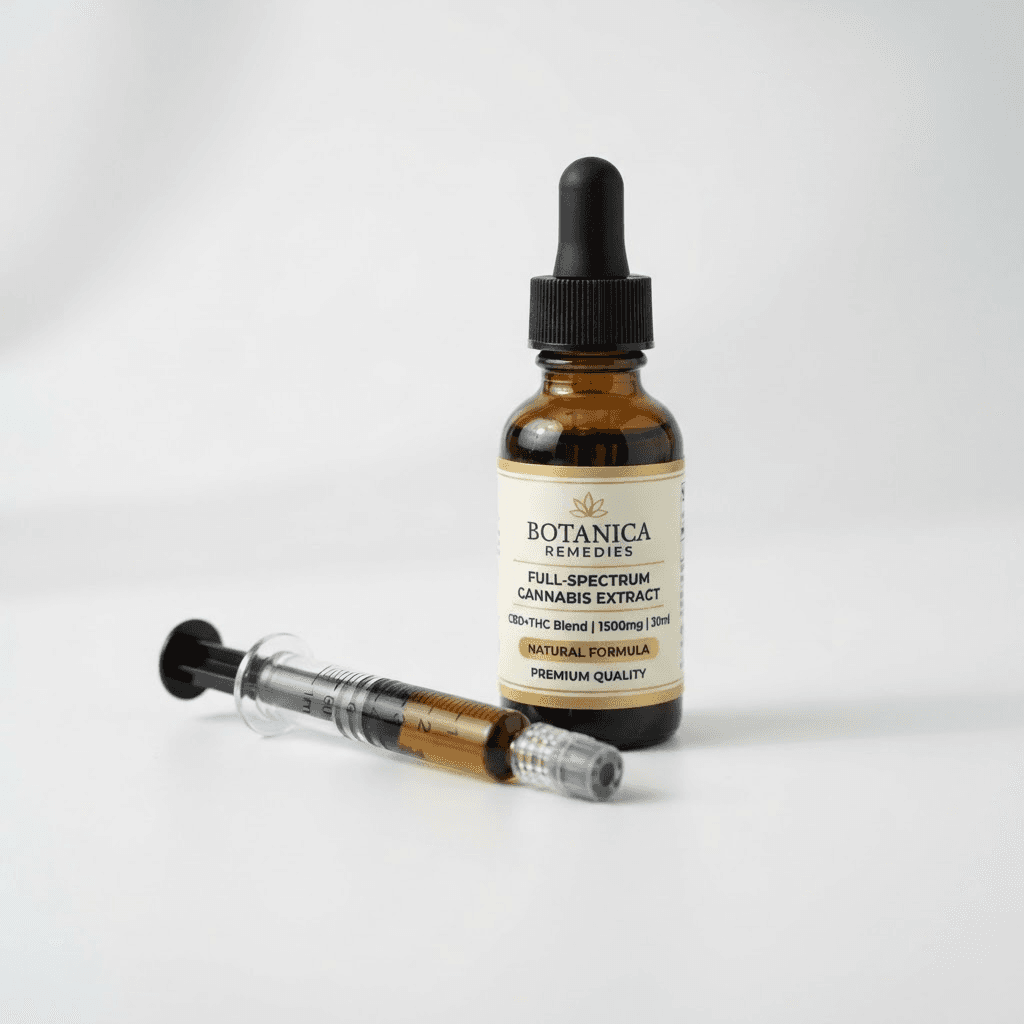
Average Cost of RSO Products
RSO pricing varies considerably between legal cannabis markets. Product size, potency, testing requirements, taxes, brand positioning, and local supply all influence the final price. Because prices change over time, the figures below should be treated as general historical examples rather than guaranteed current retail prices.
Example Historical Price Ranges
- 0.5g syringe: approximately $20–$40
- 1g syringe: approximately $30–$75
- 2g syringe: approximately $60–$140
- 5g syringe: approximately $140–$280
- 7g syringe: approximately $180–$350
These figures are illustrative historical ranges and may not represent current prices in your jurisdiction.
Price Per Gram
- Premium products: often carry a higher price per gram
- Mid-range products: may offer a balance between price and product specifications
- Lower-priced products: may reflect market competition, promotions, or differences in formulation
- Bulk formats: can sometimes reduce the price per gram
- Testing and compliance: may contribute to production costs in regulated markets
Retail prices change frequently. For accurate current pricing, consult licensed retailers in the jurisdiction where cannabis products are legally available and consider all applicable taxes and fees.
Factors That Affect RSO Price
Several variables influence the price of RSO and similar cannabis extracts. Understanding these factors makes it easier to interpret differences between products.
Product Potency and Cannabinoid Concentration
Products with different cannabinoid concentrations may have different prices. However, potency alone does not determine overall quality, and a higher concentration should not automatically be interpreted as better value.
Product Size and Quantity
Larger packages may have a lower price per gram than smaller packages. Comparing the unit price is therefore more useful than comparing the sticker price alone.
Laboratory Testing
In regulated markets, laboratory testing may verify cannabinoid content and screen for specified contaminants. Testing requirements and associated costs vary by jurisdiction.
Manufacturing Standards
Production facilities with documented quality controls, regulated processes, and traceability may have higher operating costs than informal or unregulated sources.
Regional Market Conditions
Supply, demand, competition, distribution costs, and the maturity of the local legal market can all influence retail pricing.
Cannabinoid Profile
Products with different cannabinoid profiles may have different production costs and market positioning. Review the available laboratory information rather than assuming price reflects a particular therapeutic benefit.
Packaging and Presentation
Packaging, labeling, branding, and specialized containers can contribute to the final retail price. These features do not necessarily indicate differences in product quality.
How to Compare RSO Value
Comparing products solely by their advertised price can be misleading. A more useful approach is to compare the quantity, cannabinoid content, testing information, and final price together.
Calculate Cost Per Gram
Divide the total product price by the product weight in grams. For example, a $50 product containing 1 gram has a nominal cost of $50 per gram. This simple calculation makes it easier to compare different package sizes.
Consider Cannabinoid Content
When reliable laboratory results are available, cannabinoid content can provide another comparison point. A product label should be interpreted together with its laboratory documentation and the applicable regulatory requirements.
Review Testing Documentation
Where applicable, review available certificates of analysis and confirm that the documentation corresponds to the relevant product or batch. Testing information can provide useful context beyond the advertised price.
Evaluate the Complete Product Profile
Consider cannabinoid information, product weight, labeling, testing, manufacturing transparency, and regulatory status together. A lower price does not necessarily represent better value if important product information is missing.
RSO Price vs. FECO Price
RSO and FECO are sometimes discussed together because both are associated with concentrated, full-extract cannabis oils. However, terminology, production methods, formulations, and regulatory definitions can differ between manufacturers and jurisdictions.
- Extraction: Production methods can vary between products and manufacturers.
- Consistency: Texture and viscosity can vary depending on formulation and processing.
- Cannabinoid profile: Products may differ in their concentrations of THC, CBD, and other cannabinoids.
- Testing: Available laboratory information should be reviewed when comparing products.
- Pricing: Retail prices depend on local regulations, production costs, taxes, and market conditions.
Because terminology and production standards vary, it is better to compare specific product specifications and laboratory information rather than assuming that all RSO and FECO products have the same characteristics or price.
What to Look for When Evaluating RSO Information
Price is only one part of evaluating a cannabis product. Where products are legally regulated, consumers can review several types of information before making decisions.
Laboratory Testing Information
Review available laboratory results for cannabinoid content and applicable contaminant testing.
Clear Product Labeling
Look for clear information about product identity, quantity, cannabinoid content, batch information, and other labeling requirements applicable to the market.
Regulatory Compliance
Verify that products are sold through channels permitted under the laws and regulations applicable to your location.
Batch and Product Traceability
Where required, product and batch information should be consistent with the documentation supplied by the manufacturer or retailer.
Transparent Manufacturer Information
Clear information about the manufacturer and applicable regulatory requirements can make product evaluation easier.
Pricing Red Flags
Extremely low prices or incomplete product information can be reasons to investigate further, particularly when products are being offered outside regulated channels.
Unusually Low Pricing
A price that is dramatically below comparable regulated products may warrant additional scrutiny regarding product origin, labeling, or testing.
Missing Testing Information
Where testing documentation is legally required, the absence of appropriate information may indicate that the product is not being sold through a compliant channel.
Vague Product Information
Missing information about product identity, quantity, cannabinoid content, or batch details can make meaningful comparison difficult.
Unclear Regulatory Status
Cannabis laws differ substantially between jurisdictions. Consumers should verify that any product or retailer is operating within the applicable legal framework.
Regional Pricing Variations
RSO pricing can vary substantially between geographic markets. Differences in licensing systems, taxation, supply, demand, distribution costs, and competition all contribute to regional price differences.
More established legal markets may have a larger number of licensed producers and retailers, which can increase competition. Newer or more restricted markets may have fewer suppliers and different cost structures.
Prices can also differ between urban and rural areas because of distribution costs and the number of available retailers. When comparing prices, make sure that the products have comparable weights, cannabinoid profiles, testing information, and final tax-inclusive costs.
Discounts, Promotions, and Bulk Pricing
Retailers in regulated markets may periodically offer discounts, promotions, loyalty programs, or other pricing incentives. Promotional pricing can make a product appear substantially cheaper than its standard retail price.
Larger packages may also have a lower nominal price per gram. However, consumers should compare the actual unit price and consider product shelf life, storage requirements, and applicable regulations.
Medical cannabis programs in some jurisdictions may provide different tax treatment or other legal benefits for eligible patients. These policies vary by location and should be confirmed through official government or regulatory sources.
Understanding Cost Per Milligram
When reliable laboratory data are available, cost per milligram can provide a more precise way to compare products with different concentrations.
Example Calculation
If a 1-gram product contains 75% THC by weight, it contains approximately 750 milligrams of THC before accounting for differences in laboratory measurement and product labeling. If the product costs $50, the simple price calculation would be approximately $0.067 per milligram of THC.
This calculation is useful for comparing products, but it should not be interpreted as a recommendation regarding dosage or medical use. Cannabinoid concentration and product price are only two aspects of evaluating a cannabis product.
Online Pricing vs. In-Store Pricing
In regulated markets, retailers may publish menus online before customers visit a physical location. Online listings can make it easier to compare package sizes and advertised prices, although inventory and promotions may change quickly.
When comparing online and in-store prices, consider whether the listed amount includes applicable taxes, service fees, delivery charges, or other costs. The final checkout price is the most useful number for a true comparison.
Availability and delivery rules vary by jurisdiction. Consumers should verify that any online retailer or delivery service is legally authorized to operate in their location.
Tax Impact on Final RSO Cost
Cannabis taxation differs significantly between jurisdictions. Depending on local law, taxes may be applied at the state, provincial, municipal, or other level.
Tax structures can also differ according to product category, retail channel, or customer status. Because tax policies change, current government or regulatory information is the most reliable source for determining the applicable rates in a particular jurisdiction.
When comparing RSO prices, always distinguish between the advertised pre-tax price and the final amount paid. This avoids misleading comparisons between products sold in jurisdictions with different tax structures.
Legal and Regulatory Considerations
Local Laws
Cannabis laws vary by country, state, province, and municipality. Always verify the rules that apply to your location.
Regulated Channels
Where cannabis is legal, regulated retailers may be subject to licensing, labeling, testing, and packaging requirements.
Product Documentation
Applicable documentation may include product labels, laboratory results, batch information, and regulatory disclosures.
Nothing on this page should be interpreted as legal advice. Cannabis regulations change frequently, and readers should consult official government or regulatory sources for current requirements.
Frequently Asked Questions About RSO Prices
How much does RSO typically cost?
Prices vary substantially by location, product size, potency, testing requirements, taxes, and market conditions. Current local pricing should be checked through legal, regulated sources where available.
What is the best way to compare RSO prices?
Compare products by unit price, such as cost per gram, while also considering cannabinoid content, laboratory testing, taxes, and the final price paid.
Does a higher price mean higher quality?
Not necessarily. Price can reflect branding, packaging, market conditions, taxes, or production costs. Quality should be evaluated using reliable product information and applicable testing documentation.
Why does RSO cost more in some locations?
Local taxes, licensing requirements, supply, demand, competition, distribution expenses, and market maturity can all affect retail prices.
Are RSO and FECO priced the same?
Not necessarily. Product definitions, manufacturing processes, formulations, brands, and local market conditions can all influence pricing.
Make an Informed Assessment of RSO Pricing
Understanding RSO pricing requires looking beyond the headline price. Product size, cannabinoid content, testing information, manufacturing standards, taxes, market competition, and local regulations can all influence the final cost. Comparing products using consistent units and reviewing available documentation can provide a clearer picture of relative value.
Cannabis laws and pricing conditions change over time. Always verify current information with appropriate official sources and regulated retailers in jurisdictions where these products are legally available.