
RSO Education
RSO and Appetite: Does Rick Simpson Oil Affect Appetite?
Appetite changes are commonly reported with cannabis use. Some people experience increased appetite, while others notice minimal changes. This guide explores the relationship between RSO and appetite, factors that influence appetite responses, and important considerations for safe use.
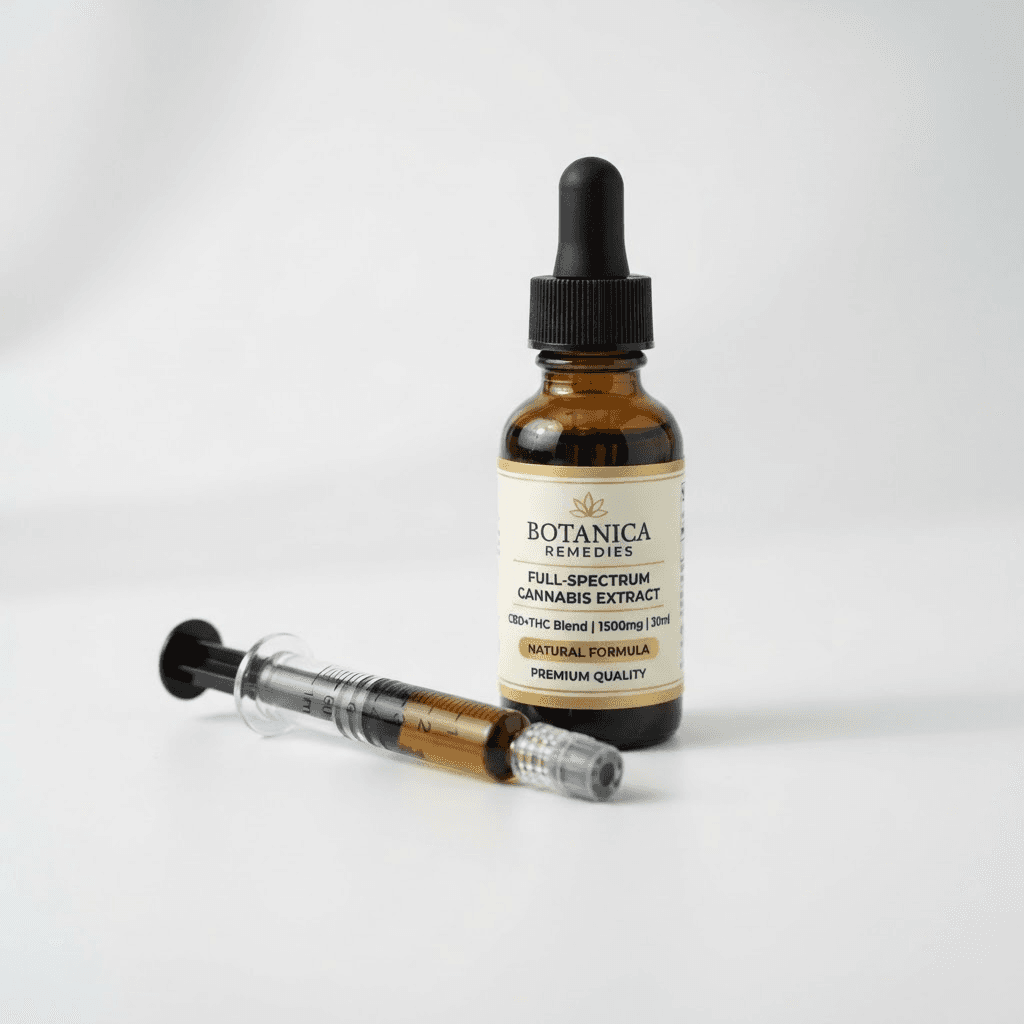
Understanding RSO and Appetite
Rick Simpson Oil (RSO) is a concentrated cannabis extract that often contains significant amounts of THC. One of the commonly reported effects of THC-containing products is changes in appetite, sometimes referred to as "the munchies."
However, appetite responses to RSO can vary significantly between individuals. Some people experience noticeable appetite increase, while others report minimal changes. These differences may depend on factors such as cannabinoid composition, individual sensitivity, previous cannabis experience, dose, and overall health status.
RSO should not be viewed as a standardized appetite management tool. Individual responses are unpredictable, and appetite changes from cannabis use can vary based on many personal factors.
How THC and CBD May Affect Appetite
THC and CBD can have different effects on appetite, and research into these mechanisms continues to develop. The balance between cannabinoids in a product may influence overall appetite effects.
THC and Appetite
- THC is commonly associated with increased appetite, sometimes called 'the munchies'.
- Some research suggests THC may affect appetite-regulating hormones and brain signals.
- Individual responses vary; not everyone experiences increased appetite with THC.
- Effects may depend on dose, product composition, and personal sensitivity.
CBD and Appetite
- CBD's effects on appetite are less well-studied than THC's effects.
- Some evidence suggests CBD might have different appetite effects than THC.
- Individual responses to CBD can vary considerably.
- The ratio of THC to CBD in a product can influence overall appetite effects.
Important Considerations for RSO and Appetite
Before considering RSO in the context of appetite, it is important to understand product composition and how individual responses can vary. Different RSO formulations can have significantly different effects.
Product Composition
RSO products can vary significantly in their THC, CBD, and other cannabinoid content. Always review the product label to understand the specific cannabinoid profile.
Individual Response
Appetite changes from cannabis products can vary widely between individuals. A product that increases appetite for one person may have minimal effect on another.
Tolerance and Adaptation
Regular use may lead to changes in appetite response over time. Some people develop tolerance, while others may experience persistent effects.
Professional Guidance
If you have concerns about appetite changes, nutritional status, or how RSO might interact with your health, consult with a qualified healthcare professional.
Possible Effects and Side Effects
People can experience different effects from THC-containing cannabis products. The following are general possibilities and should not be interpreted as a prediction of how any particular person will respond.
Possible Effects
- Increased appetite
- Enhanced enjoyment of food
- Changes in taste perception
- Relaxation or altered mood
- Changes in attention or perception
Possible Unwanted Effects
- Excessive appetite increase
- Unintended weight changes
- Dry mouth
- Drowsiness or fatigue
- Impaired attention or coordination
Safety Considerations
If you are considering an RSO product and have concerns about appetite changes, safety should be a priority. Cannabis can affect perception, coordination, mood, and may interact with medications or other substances.
General Safety Guidance
- Talk with a healthcare professional before using RSO, particularly if you have appetite or nutritional concerns.
- Do not assume that a specific amount of RSO contains a predictable amount of THC. Check product labeling and cannabinoid concentrations.
- Understand how a product affects you before using it in situations where impairment could be a concern.
- Do not drive or operate machinery while impaired.
- Keep cannabis products securely stored and away from children and pets.
- Monitor overall appetite and nutritional patterns if using RSO regularly.
Why Individual Appetite Responses Can Differ
Appetite responses to cannabis products can vary considerably between individuals. Factors such as THC sensitivity, metabolism, cannabinoid composition, baseline appetite, health status, and personal circumstances may all influence how someone responds.
This variation is one reason broad claims about RSO and appetite should be approached cautiously. A product that increases appetite for one person may have minimal effect on another, or may even suppress appetite.
If appetite changes become pronounced or problematic, discussing the experience with a healthcare professional may be appropriate to identify underlying causes and appropriate strategies.
RSO Dosing and Appetite Effects
There is no single RSO dose that is appropriate for everyone, particularly when considering appetite effects. Products can vary considerably in cannabinoid concentration, and the same volume of oil may contain different amounts of THC depending on the formulation.
For this reason, generic measurements should not be treated as standardized doses. The actual cannabinoid content depends on the specific product formulation.
Anyone considering a THC-containing product should review the product label carefully and avoid assuming that dosing advice from another person applies to their situation or will produce similar appetite effects.
RSO can be highly concentrated. Product-specific labeling and professional guidance are more reliable than generic internet dosing recommendations for appetite management.
Managing Appetite and Nutrition
If RSO use results in significant appetite changes, maintaining good nutrition becomes particularly important. Whether appetite increases or decreases, attention to nutritional needs supports overall health and wellbeing.
Balanced Nutrition
If appetite changes occur, focus on nutrient-dense foods that support overall health and address specific nutritional needs.
Meal Planning
Regular, planned meals can help maintain consistent nutrition regardless of appetite fluctuations from cannabis use.
Physical Activity
Regular exercise can support healthy appetite regulation and overall wellbeing.
Medical Care
A healthcare professional can evaluate changes in appetite and nutritional status, and discuss whether additional support is needed.
Frequency, Tolerance, and Appetite Response
Frequent THC use may lead to tolerance in some people, which can affect how appetite responds to the product. Regular users sometimes find that appetite effects diminish with continued use.
If someone uses RSO regularly, it can be helpful to periodically evaluate whether the intended appetite effects are still occurring and whether overall health and nutrition are being maintained.
Stopping regular use can produce withdrawal symptoms for some individuals. Rather than making sudden changes, working with a healthcare professional to develop an appropriate plan is recommended if discontinuing use is being considered.
RSO, Appetite, and Medications
Cannabis products may interact with prescription and over-the-counter medications. If you take medications that affect appetite or nutrient absorption, or if you have medical conditions related to appetite or nutrition, discuss RSO use with your healthcare provider.
Do not stop, reduce, or replace prescribed medication on your own. Any changes to a treatment plan should be made with the healthcare professional responsible for your care.
Important Note
This page is provided for educational purposes and does not constitute medical advice. RSO and other cannabis products can affect individuals differently. If you have concerns about appetite changes, nutritional status, take medications, are pregnant or breastfeeding, or have concerns about cannabis use, speak with a qualified healthcare professional.