
Safety First
This guide provides general educational information about potential RSO effects and safety considerations. It is not a substitute for professional medical advice, diagnosis, or treatment. Always consult with a qualified healthcare provider before using RSO or other high-THC cannabis products, particularly if you have a medical condition, are pregnant or nursing, have a history of mental health concerns, or take prescription or over-the-counter medications.
RSO Side Effects: Safety Guide for Rick Simpson Oil
Understanding potential effects and safety considerations can help you make more informed decisions about Rick Simpson Oil. RSO is a concentrated cannabis extract that may contain substantial amounts of THC, so its effects can be considerably stronger than those associated with lower-potency cannabis products. This comprehensive guide covers common effects, factors that influence individual experiences, potential risks, medication considerations, and practical safety information to understand before using RSO.
What Is RSO?
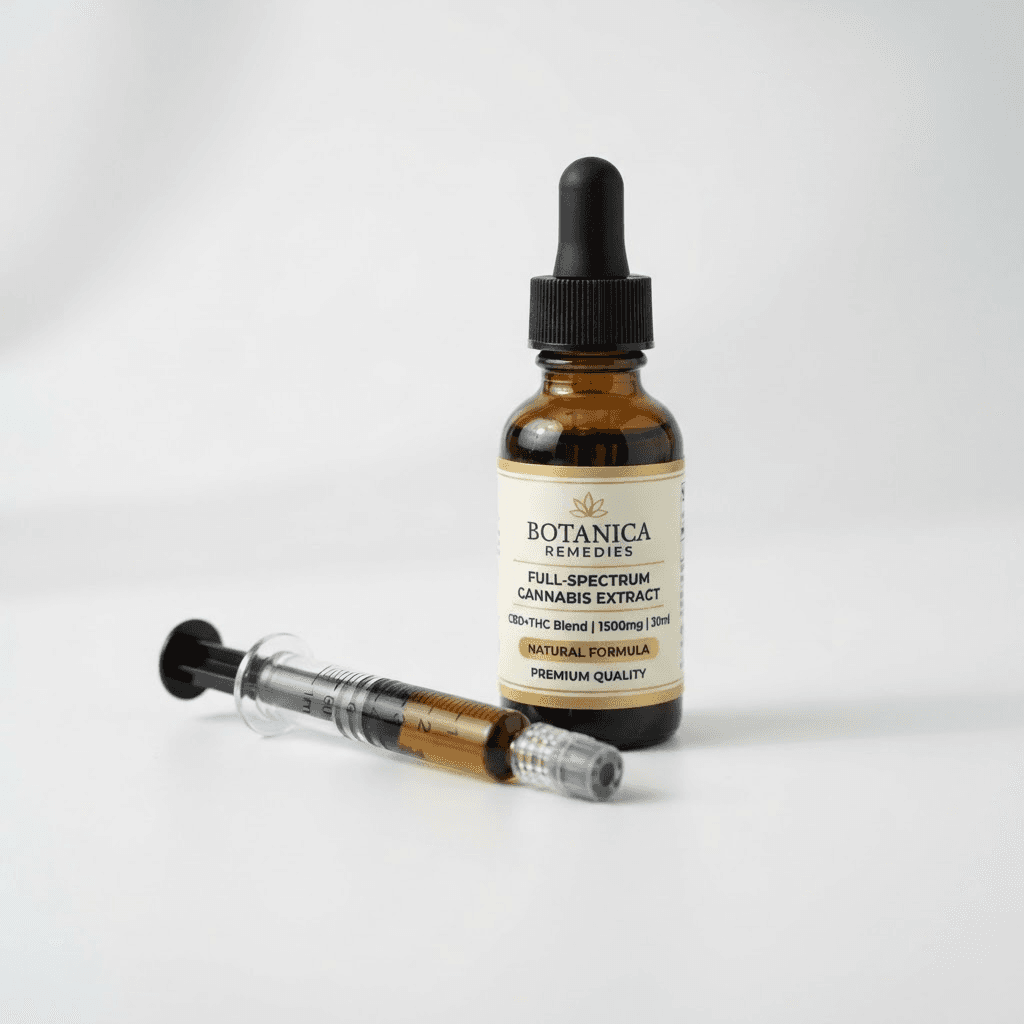
Rick Simpson Oil (RSO) is a concentrated cannabis extract associated with Rick Simpson, a Canadian cannabis advocate who popularized the preparation. Unlike highly refined cannabis distillates that primarily isolate THC, RSO is generally described as a full-spectrum or whole-plant-style extract that may contain cannabinoids, terpenes, and other naturally occurring compounds from the cannabis plant.
Commercial products marketed as RSO can vary considerably in their cannabinoid composition, extraction methods, and potency. Many products are high in THC, while some formulations may contain meaningful amounts of CBD or other cannabinoids. Because there is no single universal formulation for every product sold as RSO, it is important to check the product label and, where available, the accompanying Certificate of Analysis (COA).
Because RSO can be highly concentrated, relatively small quantities may contain significant amounts of cannabinoids. The amount that looks like a small "rice grain" can represent a meaningful THC dose depending on the product's potency and density. For this reason, people who are inexperienced with concentrated cannabis products may be more likely to experience strong or uncomfortable effects if they use too much at once. Understanding the actual cannabinoid content of the product is therefore an important part of responsible use.
Common Effects Associated With RSO
Individual responses to RSO can vary substantially. Effects may be pleasant, neutral, or uncomfortable depending on the amount consumed, THC concentration, tolerance, individual sensitivity, metabolism, and the presence of other substances or medications. Commonly reported effects associated with THC-containing cannabis products include:
Relaxation and Sedation
RSO may cause relaxation, drowsiness, or fatigue, particularly when the product contains a high concentration of THC or is consumed in a larger amount. These effects may be more noticeable when RSO is used in the evening. Because sedation and impaired coordination can persist for several hours, users should avoid driving or other activities that require full alertness.
Altered Mental State
THC can change perception, concentration, short-term memory, attention, and thought patterns. The intensity of these effects depends heavily on THC concentration, dose, tolerance, and individual sensitivity. Higher doses may produce more noticeable psychoactive effects.
Dry Mouth
Dry mouth is a commonly reported effect of THC-containing cannabis products. Staying hydrated and having water available may help. Sugar-free gum or lozenges may also make the sensation more comfortable.
Appetite Changes
THC may increase appetite in some people. The degree of appetite change can vary based on dose, individual biology, and the cannabinoid profile of the product. Products with different THC-to-CBD ratios may produce different experiences.
Dizziness or Lightheadedness
Dizziness or lightheadedness may occur, particularly after consuming a larger amount than intended or when someone is inexperienced with high-THC products. If this happens, sit or lie down somewhere safe and avoid standing suddenly.
Temporary Anxiety or Paranoia
Some people may experience anxiety, nervousness, or paranoia after consuming THC, particularly at higher doses. Individuals who are sensitive to THC or already prone to anxiety may be more susceptible. Using less and choosing a calm environment may reduce the likelihood of an uncomfortable experience.
Many unwanted effects associated with THC are temporary and improve as the effects of the product wear off. However, the duration and intensity can vary from person to person. A dose that feels manageable to one individual may feel overwhelming to another. For that reason, people who choose to use RSO should approach concentrated products cautiously and avoid assuming that someone else's dose will be appropriate for them.
Factors That May Influence RSO Effects
Your experience with RSO can depend on multiple interacting factors. Understanding these variables may help explain why the same product can affect different people in very different ways.
Product Factors
- THC Concentration: Higher THC concentrations can produce stronger psychoactive effects.
- CBD Content: CBD may influence the overall experience, although its effects on THC-related experiences can vary.
- Terpene Profile: Terpenes contribute to the overall chemical profile and may influence aroma and subjective experience.
- Full-Spectrum Composition: Products containing multiple cannabinoids and plant compounds may feel different from highly refined or isolated cannabinoids.
Individual Factors
- Tolerance: People who regularly use THC may respond differently from individuals with little or no prior exposure.
- Body Composition: Individual body characteristics can influence how cannabinoids are distributed and metabolized.
- Metabolism: Metabolic differences can affect how quickly effects begin and how long they last.
- Cannabinoid Sensitivity: Natural differences between individuals can lead to significant variation in response.
Usage Factors
- Dosage Amount: The amount consumed is one of the most important factors affecting effect intensity.
- Consumption Method: Oral and sublingual use may have different onset and duration characteristics.
- Food Intake: Eating before or around the time of consumption may influence how quickly effects are felt.
- Recent Use: Recent cannabis exposure can influence tolerance and subjective response.
External Factors
- Medications: Some medications may interact with cannabinoids or be affected by changes in metabolism.
- Other Substances: Alcohol and other intoxicating substances can increase impairment or unwanted effects.
- Stress Level: Anxiety and stress may influence how psychoactive effects are perceived.
- Health Status: Existing health conditions may change the risk profile of cannabis use.
THC Content and Potential Effects
THC is the primary psychoactive cannabinoid in many RSO products and is a major contributor to the product's intoxicating effects. Products with higher THC concentrations generally contain more THC per gram, but the actual experience still depends on the amount consumed and the individual's sensitivity and tolerance.
The presence of CBD and other cannabinoids can also contribute to differences between products. However, CBD should not be assumed to completely prevent or eliminate THC-related impairment or adverse effects. A product containing both THC and CBD may feel different from a product dominated by THC, but individual responses remain unpredictable.
The timing of effects also depends on how RSO is consumed. Products swallowed or eaten may take considerably longer to produce noticeable effects than products absorbed through the mouth. Oral cannabis effects can also last substantially longer. Because delayed onset can lead some people to consume more before the first dose has fully taken effect, caution is particularly important with oral use.
RSO Safety Considerations
Using RSO responsibly requires careful attention to product potency, personal tolerance, surroundings, and potential interactions. The following principles can help reduce avoidable risks:
Start Low, Go Slow
Concentrated RSO can contain substantial amounts of THC. If you choose to use it, avoid assuming that a rice-grain-sized amount represents the same dose across different products. Check the product's cannabinoid concentration and consider discussing appropriate dosing with a healthcare professional or qualified cannabis clinician.
Never Drive or Operate Machinery
Avoid driving, operating machinery, or performing activities that require full coordination and alertness after consuming RSO. THC can affect reaction time, attention, judgment, and coordination, and impairment may last for hours depending on the dose and route of administration.
Keep Away from Children and Pets
Store RSO securely and out of reach of children and animals. Concentrated cannabis products can cause significant adverse effects in children and pets, even when the amount appears small.
Use in a Safe Environment
If you choose to use RSO, remain in a comfortable and familiar environment where you can rest if unwanted effects occur. Avoid combining use with activities that require quick reactions, balance, or complex decision making.
Monitor for Discomfort
If you experience dizziness, anxiety, excessive sedation, or other uncomfortable effects, move to a safe place and rest. Avoid taking additional RSO while waiting for the effects of the original amount to subside.
RSO and Medication Interactions
Cannabis constituents can affect enzymes involved in drug metabolism, including enzymes in the cytochrome P450 system. This means cannabinoids may potentially alter the concentration or effects of certain medications. The significance of an interaction depends on the specific cannabinoid product, dose, medication, and individual circumstances.
Particular caution may be appropriate for people taking medications with narrow therapeutic windows or medications that are strongly affected by liver enzyme activity. Examples can include certain blood thinners, immunosuppressants, sedatives, and other prescription medicines. This list is not exhaustive, and the absence of a medication from this list does not guarantee that no interaction exists.
If you take prescription medications, speak with your healthcare provider or pharmacist before using RSO. They can review your specific medication list and determine whether additional monitoring or precautions are appropriate. Never stop, reduce, or change a prescribed medication on your own because of cannabis use.
Alcohol can also increase impairment when combined with THC. Combining alcohol and RSO may increase dizziness, sedation, impaired coordination, and other unwanted effects. Avoiding this combination is the safer approach, particularly for anyone who is inexperienced with either substance.
When to Seek Medical Advice
Most uncomplicated THC-related effects are temporary. However, certain symptoms should not be dismissed as routine cannabis effects. Seek prompt medical attention if you experience:
- Severe anxiety, panic, confusion, or agitation that does not improve
- Chest pain, difficulty breathing, or significant changes in heartbeat
- Severe dizziness, collapse, or fainting
- Signs of a serious allergic reaction, including facial swelling or difficulty breathing
- Symptoms that may indicate a serious medication interaction
- Severe paranoia, hallucinations, or other significant changes in mental state
If you have an underlying health condition, take medications, or have a personal or family history of certain psychiatric conditions, discuss cannabis use with a healthcare professional before using high-THC RSO. Professional guidance can help you understand whether the potential benefits and risks are appropriate for your individual circumstances.
Individual Variation in RSO Response
Why can two people using the same RSO product experience very different effects? Several factors may contribute. Individual differences in cannabinoid receptors, metabolism, prior cannabis exposure, genetics, and overall health can all influence the response to THC and other cannabinoids.
The endocannabinoid system also varies from person to person. This biological system plays a role in regulating processes such as mood, appetite, pain perception, memory, and sleep. Differences in how this system functions may contribute to differences in how individuals experience externally consumed cannabinoids.
Hormonal factors may also influence cannabis experiences. Some research suggests that biological sex and hormonal fluctuations can affect cannabinoid sensitivity, although individual experiences vary and the evidence is still developing. These differences are another reason why personal response should not be predicted solely by comparing your experience with someone else's.
RSO and Tolerance Development
Regular exposure to THC can lead to tolerance, meaning that a person may experience less of the same effect over time. This process is associated with adaptations in the body's cannabinoid system and can vary considerably between individuals.
Tolerance may develop more quickly with frequent or high-dose use. When tolerance increases, some individuals may be tempted to continually increase their dose. This can increase the risk of unwanted effects and may also increase overall cannabis exposure. For this reason, increasing the amount used should not be viewed as the only way to address reduced effects.
Tolerance can decrease after a period of reduced use or abstinence, although the time required varies. People who have taken a break should be cautious about immediately returning to their previous amount, as tolerance may have changed. A gradual approach and professional guidance can be particularly useful for individuals who have been using concentrated cannabis products regularly.
Distinguishing Side Effects from Allergic Reactions
Many effects associated with THC—such as dry mouth, drowsiness, altered perception, and appetite changes—are pharmacological effects rather than allergic reactions. However, true allergic reactions to cannabis or cannabis plant components are possible, although they are considered uncommon.
Potential signs of an allergic reaction may include hives, itching, swelling, wheezing, difficulty breathing, or other symptoms that occur soon after exposure. These symptoms are different from typical THC effects and should be taken seriously. Anyone experiencing difficulty breathing or significant swelling should seek emergency medical attention.
Cannabis allergies may involve sensitivity to plant proteins rather than cannabinoids themselves. Some people with existing plant or pollen allergies may have an increased risk of sensitivity, although individual reactions vary. If you have experienced allergic reactions to cannabis, hemp, or related plants, discuss this history with a healthcare professional before using RSO.
RSO Effects in Specific Populations
Certain groups may need to exercise additional caution with RSO. Older adults may be more vulnerable to dizziness, falls, medication interactions, and changes in cognitive function. Because many older adults also take multiple medications, professional guidance can be particularly important before using high-THC cannabis products.
Individuals with a personal history of psychosis or certain psychiatric disorders should discuss cannabis use with a healthcare professional. High-THC cannabis may worsen symptoms or increase risk in susceptible individuals. People who experience anxiety may also find that high-THC products increase nervousness or panic rather than providing relaxation.
Individuals with a history of substance use disorder may also want to discuss cannabis use with a qualified professional. Cannabis can be habit-forming for some people, and individuals with a history of problematic substance use may require additional support or monitoring.
Pregnant and breastfeeding individuals should consult a healthcare professional before using cannabis products. Health authorities generally advise avoiding cannabis during pregnancy and breastfeeding because cannabinoids can reach the developing fetus and may be present in breast milk. Adolescents should also avoid non-medical cannabis use because the brain continues to develop through adolescence and young adulthood.
Comparing RSO to Other Cannabis Products
Different cannabis products can produce different experiences. Understanding these differences may help explain why RSO is not interchangeable with every other cannabis format. Cannabis flower typically contains a lower concentration of cannabinoids by weight than concentrated extracts, although the actual dose consumed varies considerably.
Distillates are generally more refined and may contain very high concentrations of THC with fewer naturally occurring compounds. This differs from the broader cannabinoid and terpene profile associated with many products marketed as RSO. Some people prefer the experience of full-spectrum products, while others prefer more purified formulations.
Edibles can also deliver concentrated amounts of THC but often have a delayed onset and longer-lasting effects. Vaping or inhalation generally produces effects more quickly but carries its own risks and considerations. The most appropriate product depends on individual needs, tolerance, legal availability, health circumstances, and professional medical advice where applicable.
Managing Unwanted RSO Effects
If you experience unwanted effects after consuming RSO, the most important first step is to avoid taking additional doses while waiting for the effects to subside. Move to a comfortable, familiar environment and remind yourself that many THC-related effects are temporary.
If anxiety or paranoia occurs, reducing external stimulation and practicing slow, controlled breathing may help. Some people find that listening to calming music, resting in a familiar setting, or being around a trusted person makes the experience easier to manage. If symptoms become severe, persistent, or are accompanied by concerning physical symptoms, seek medical advice.
For dry mouth, water or sugar-free gum may provide relief. If you feel dizzy, sit or lie down in a safe place and avoid standing quickly. If you become drowsy or impaired, do not drive or operate machinery. Allow sufficient time for the effects to wear off before resuming activities that require alertness.
If unwanted effects repeatedly occur even when using small amounts, RSO or another high-THC product may not be appropriate for you. A healthcare professional can help you evaluate whether a different cannabinoid profile, a lower-THC product, or another treatment approach may be more suitable.
Product Quality and Contamination Risks
The potential risks of RSO are not limited to cannabinoids themselves. Product quality can also matter. Cannabis extracts from unregulated or unreliable sources may contain contaminants, residual solvents, pesticides, heavy metals, microbes, or inaccurate cannabinoid concentrations.
Where cannabis products are legally available, consumers should look for products from licensed sources that provide transparent labeling and independent laboratory testing. A Certificate of Analysis may provide information about cannabinoid potency and certain contaminant tests, although consumers should still understand what the document actually covers.
Products purchased from informal or unverified sources may have less reliable potency information. This can make it difficult to estimate how much THC is actually being consumed and can increase the risk of unexpected effects. Product quality and legal status should therefore be considered alongside the potential effects of cannabinoids.
Long-Term Considerations When Using RSO
If RSO becomes part of a regular routine, it is worth paying attention to how frequent use affects your daily life. Regular high-THC cannabis use may contribute to tolerance, dependence, and difficulty reducing use for some individuals.
Some people may notice that they need increasingly larger quantities to achieve the same subjective effects. Others may experience withdrawal symptoms after stopping regular use. These can include irritability, sleep difficulties, reduced appetite, restlessness, or cravings. Anyone concerned about dependence or difficulty controlling cannabis use should consider discussing the issue with a healthcare professional.
Keeping track of frequency, amount, and effects may help you identify patterns over time. If RSO is being used for a medical purpose, maintaining communication with a healthcare provider can help determine whether the treatment is providing meaningful benefits and whether the potential risks remain acceptable.
Responsible Use and Personal Awareness
Responsible RSO use begins with understanding that concentrated cannabis products can affect people differently. Product potency, personal tolerance, health status, medications, and method of consumption all matter. Avoid comparing your response directly with another person's experience.
Pay attention to how your body and mind respond. If you notice persistent anxiety, cognitive difficulties, impaired daily functioning, escalating use, or other concerning changes, it may be appropriate to stop using RSO and speak with a healthcare professional.
Responsible use also means following applicable laws and purchasing products only through legal and appropriately regulated channels where available. Cannabis laws differ significantly between jurisdictions, so always verify the rules that apply to your location.
Ready to Learn More About RSO?
Understanding RSO effects and safety considerations can help you make more informed decisions. Because RSO products can vary significantly in potency and composition, it is important to evaluate each product individually rather than assuming all RSO products will produce the same experience. If you choose to use RSO, consider product potency, laboratory testing, personal tolerance, potential medication interactions, and your overall health circumstances.
Always prioritize safety, avoid driving while impaired, keep concentrated cannabis products away from children and pets, and seek professional medical advice when you have questions about medications or existing health conditions. Individual responses can vary substantially, so patience, caution, and personal awareness are important when evaluating any concentrated cannabis product.