
RSO Education
RSO and Anxiety: Can Rick Simpson Oil Help With Anxiety?
RSO and anxiety can be a complicated topic. Some people report feeling calmer after using cannabis products, while others experience increased anxiety or discomfort. This guide explains the factors that may influence individual responses and highlights important safety considerations.
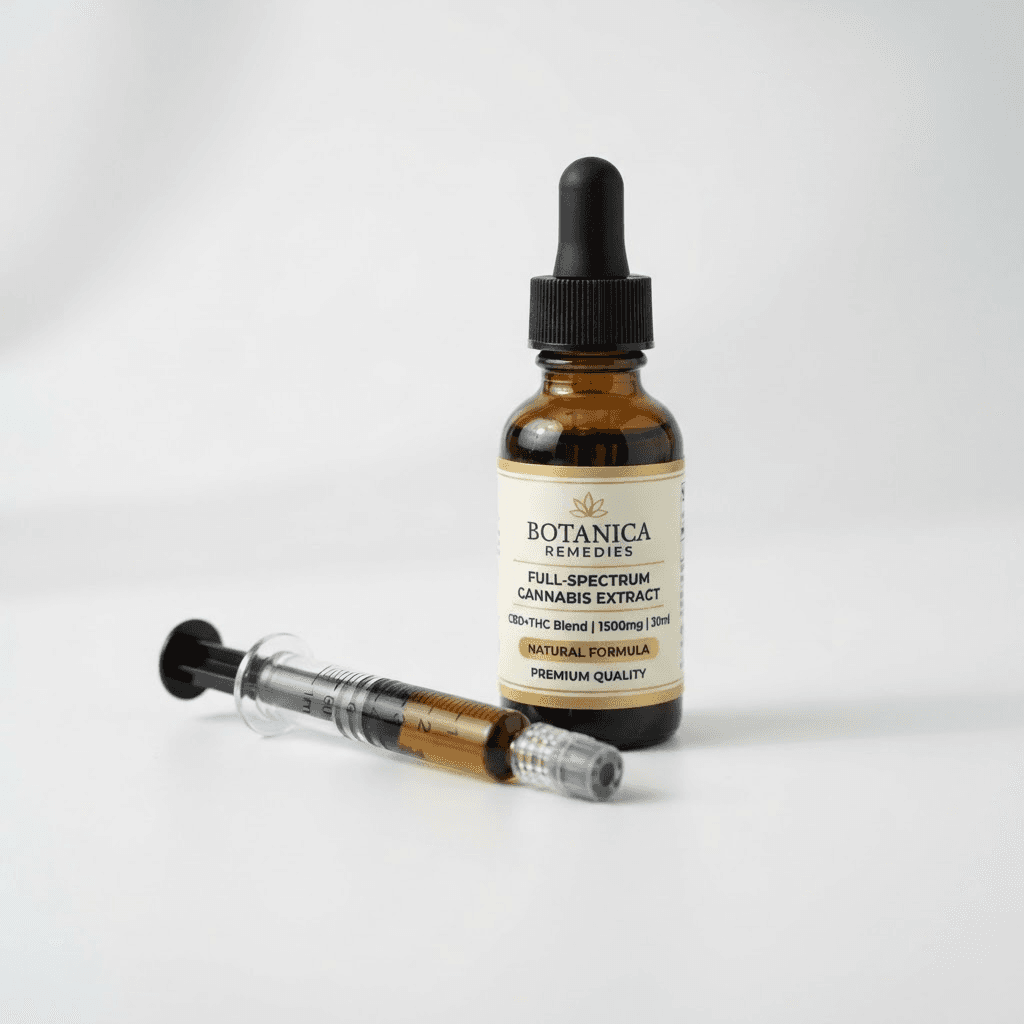
Understanding RSO and Anxiety
Rick Simpson Oil (RSO) is generally associated with concentrated cannabis extracts, often containing significant amounts of THC. Because cannabis products can affect people differently, the relationship between RSO and anxiety is not straightforward.
Some people report feeling relaxed after using THC-containing cannabis products, while others experience nervousness, heightened anxiety, or paranoia. The outcome may depend on factors such as cannabinoid composition, product potency, amount used, individual sensitivity, previous cannabis experience, and the circumstances in which the product is used.
RSO should not be viewed as a universally effective treatment for anxiety. If anxiety symptoms are persistent, severe, or interfering with daily life, professional assessment and evidence-based treatment options should be considered.
How THC and CBD May Affect Anxiety
THC and CBD can have different effects, and the balance between cannabinoids may influence how an individual responds to a cannabis product. Research into cannabis and anxiety is ongoing, and individual experiences should not be treated as proof of a medical benefit.
CBD and Anxiety
- CBD is generally considered non-intoxicating.
- Research has explored CBD in relation to anxiety, although evidence is still developing.
- Individual responses can vary considerably.
- CBD products may have different formulations and concentrations, so product labels matter.
THC and Anxiety
- Some people report relaxation with THC-containing products.
- THC can also increase anxiety, nervousness, or paranoia in some individuals.
- Effects may depend on dose, potency, personal sensitivity, and previous cannabis experience.
- People who are sensitive to THC should use particular caution with high-THC products.
Important Considerations When Thinking About RSO
Before considering an RSO product in the context of anxiety, it is important to look beyond the product name. Different formulations can have substantially different cannabinoid profiles and potencies.
Product Composition
RSO products can differ substantially in their THC, CBD, and other cannabinoid content. Review the specific product label rather than assuming all RSO products have the same composition.
Individual Response
A product that feels calming to one person may increase anxiety or discomfort in another. Personal sensitivity and previous cannabis experience can influence the response.
Potency
Higher-potency THC products may produce stronger effects and may carry a greater risk of unwanted effects for people who are sensitive to THC.
Professional Guidance
If you have an anxiety disorder, take prescription medication, or have concerns about cannabis use, discuss your situation with a qualified healthcare professional.
Possible Effects and Side Effects
People can experience different effects from THC-containing cannabis products. The following examples are general possibilities and should not be interpreted as a prediction of how any particular person will respond.
Possible Effects
- Relaxation or drowsiness
- Changes in mood or perception
- Temporary feelings of calm
- Increased appetite
- Changes in attention or coordination
Possible Unwanted Effects
- Increased anxiety or nervousness
- Paranoia or discomfort
- Dizziness
- Drowsiness
- Impaired attention or coordination
Safety Considerations
If you are considering an RSO product and have concerns about anxiety, safety should be a priority. Cannabis can affect attention, coordination, perception, and mood, and it may interact with other substances or medications.
General Safety Guidance
- Talk with a qualified healthcare professional before using RSO for anxiety, particularly if you take prescription medications.
- Do not assume that a specific amount of RSO contains a predictable amount of THC. Check the product's cannabinoid concentration and serving information.
- If you choose to use a THC-containing product, avoid taking more before you understand how the initial amount affects you.
- Do not drive or operate machinery while impaired.
- Keep cannabis products securely stored and away from children and pets.
- Do not stop or change prescribed anxiety medication without guidance from the clinician who prescribed it.
Why Individual Responses Can Differ
Anxiety responses to cannabis products can vary considerably between individuals. Factors such as THC sensitivity, previous cannabis exposure, baseline anxiety, personal circumstances, and other substances or medications may all influence the experience.
This variation is one reason broad claims about RSO and anxiety should be approached cautiously. A product that feels calming to one person may produce an uncomfortable experience for another.
If cannabis appears to consistently worsen anxiety, continuing to increase the amount used is unlikely to be a sensible strategy. Discussing the experience with a healthcare professional may be more appropriate.
RSO, Potency, and Dosing Considerations
There is no single RSO dose that is appropriate for everyone. Products can vary considerably in cannabinoid concentration, and the same volume of oil may contain different amounts of THC or CBD depending on the formulation.
For this reason, a generic measurement such as a "rice-grain-sized amount" should not be treated as a standardized dose. The actual cannabinoid content depends on the product.
Anyone considering a THC-containing product should review the product label carefully and avoid assuming that anecdotal dosing advice from another person applies to their situation.
RSO can be highly concentrated. Product-specific labeling and professional guidance are more reliable than generic internet dosing recommendations.
Timing, Frequency, and Individual Experience
The effects of cannabis products can differ depending on how the product is formulated and used. Products taken orally may have a different onset and duration than other forms of cannabis, and the experience can vary from person to person.
Frequent THC use may also lead to tolerance in some people, while stopping regular use can produce withdrawal symptoms for some individuals. If cannabis use becomes difficult to control or begins interfering with daily life, professional support may be appropriate.
Rather than relying on a fixed schedule or assuming that more frequent use will provide better results, individuals should consider the broader impact of cannabis use on their wellbeing and discuss concerns with a qualified professional.
Choosing a Cannabis Product When Anxiety Is a Concern
People who are sensitive to THC may wish to pay particular attention to cannabinoid potency and product composition. High-THC products can produce stronger psychoactive effects and may be more likely to cause unwanted anxiety for some individuals.
If you are evaluating a product, review the cannabinoid profile, total potency, serving information, ingredients, and available laboratory testing. Avoid assuming that products described as "full-spectrum" or "natural" will necessarily produce a calming effect.
Anxiety and Panic Are Not the Same
Anxiety can range from occasional worry to persistent symptoms associated with an anxiety disorder. Panic attacks can involve sudden and intense symptoms that may require specific treatment and assessment.
Cannabis products should not be assumed to be an appropriate emergency treatment for a panic attack. For severe or recurring panic symptoms, seeking professional medical or mental health support is more appropriate than relying on self-treatment with RSO.
Combining Anxiety Support Strategies
Anxiety management often involves more than one approach. Depending on the individual and the underlying cause, professional treatment, therapy, lifestyle changes, and social support may all play a role.
Therapy and Counseling
Evidence-based approaches such as cognitive behavioral therapy can help address anxiety symptoms and underlying thought patterns.
Stress Management
Mindfulness, relaxation techniques, regular physical activity, and healthy routines may support overall anxiety management.
Social Support
Trusted friends, family members, and professional support networks can be valuable parts of a broader approach to managing anxiety.
Medical Care
A healthcare professional can help evaluate anxiety symptoms, discuss treatment options, and consider potential interactions with medications or other substances.
Long-Term Considerations
If someone uses cannabis regularly to manage anxiety, it is worth periodically considering whether the overall pattern of use is helping or creating additional problems.
Regular cannabis use can be associated with tolerance and, for some people, dependence. Some individuals may also experience increased anxiety or other unwanted effects with continued use.
The goal of anxiety care should be sustainable wellbeing. If anxiety remains persistent despite cannabis use, or if cannabis use becomes increasingly important to daily functioning, speaking with a qualified healthcare professional can help identify more appropriate long-term strategies.
RSO, Anxiety Medications, and Drug Interactions
Cannabis products may interact with prescription and over-the-counter medications. Potential interactions can depend on the specific cannabinoid, medication, dose, and individual health factors.
If you take medication for anxiety or another health condition, discuss cannabis use with your doctor, pharmacist, or other qualified healthcare professional before adding RSO to your routine.
Do not stop, reduce, or replace prescribed medication on your own. Any changes to a treatment plan should be made with the healthcare professional responsible for your care.
Important Note
This page is provided for educational purposes and does not constitute medical advice. RSO and other cannabis products can affect individuals differently. If you have an anxiety disorder, take medication, are pregnant or breastfeeding, or have concerns about cannabis use, speak with a qualified healthcare professional. Do not discontinue prescribed treatment without medical guidance.