
How to Make RSO Oil at Home – Step-by-Step Rick Simpson Oil Recipe Guide
Making RSO oil (Rick Simpson Oil) at home is a topic many people search for when they want to understand how to make Rick Simpson Oil, how to make RSO oil at home, or find a DIY RSO recipe. This detailed educational guide explains the traditional process step by step.
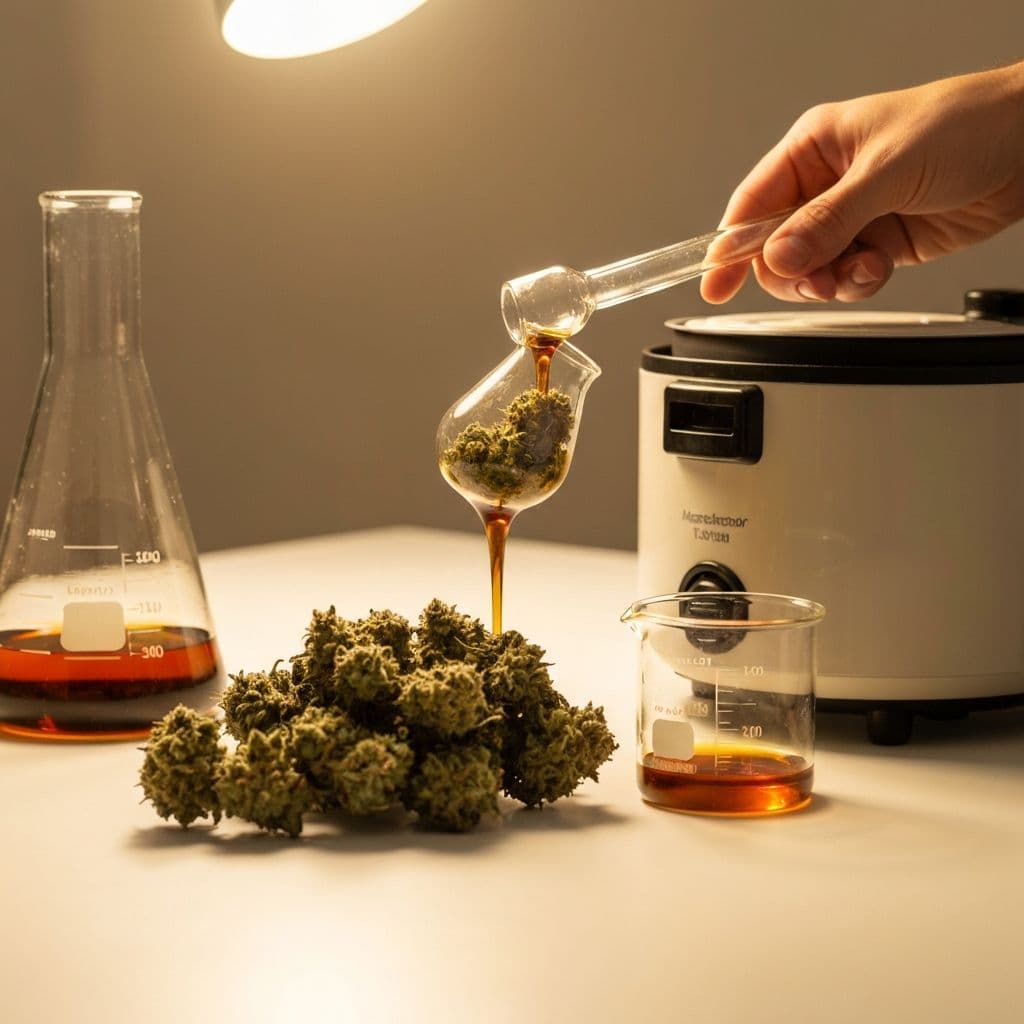
Important Disclaimer
Making Rick Simpson Oil (RSO) at home involves highly flammable solvents and carries serious safety, health, and legal risks. This article is for educational purposes only. We do not encourage or recommend producing RSO at home. The process can cause fires, explosions, toxic fumes, or chemical burns. In many places, home extraction with solvents is illegal or heavily regulated. Always check your local laws before considering any extraction.
The safest and easiest option is to buy lab-tested RSO oil from a reputable source like NaturalCannabisOil.shop.
What Is RSO Oil (Rick Simpson Oil)?
RSO oil, also known as Rick Simpson Oil, is a thick, dark, highly concentrated full-spectrum cannabis extract made from the whole plant. It contains a rich profile of cannabinoids (especially high THC levels), terpenes, and other natural compounds that work together through the entourage effect.
Many people search for how to make RSO, RSO extraction method, or make RSO at home because they want to learn the classic solvent-based technique popularized by Rick Simpson himself. The traditional method involves using solvents to extract cannabinoids, then evaporating the solvent to leave behind concentrated oil.
Materials Needed for the Traditional RSO Recipe
For a small batch (using about 1 ounce / 28 grams of cannabis), you will need:
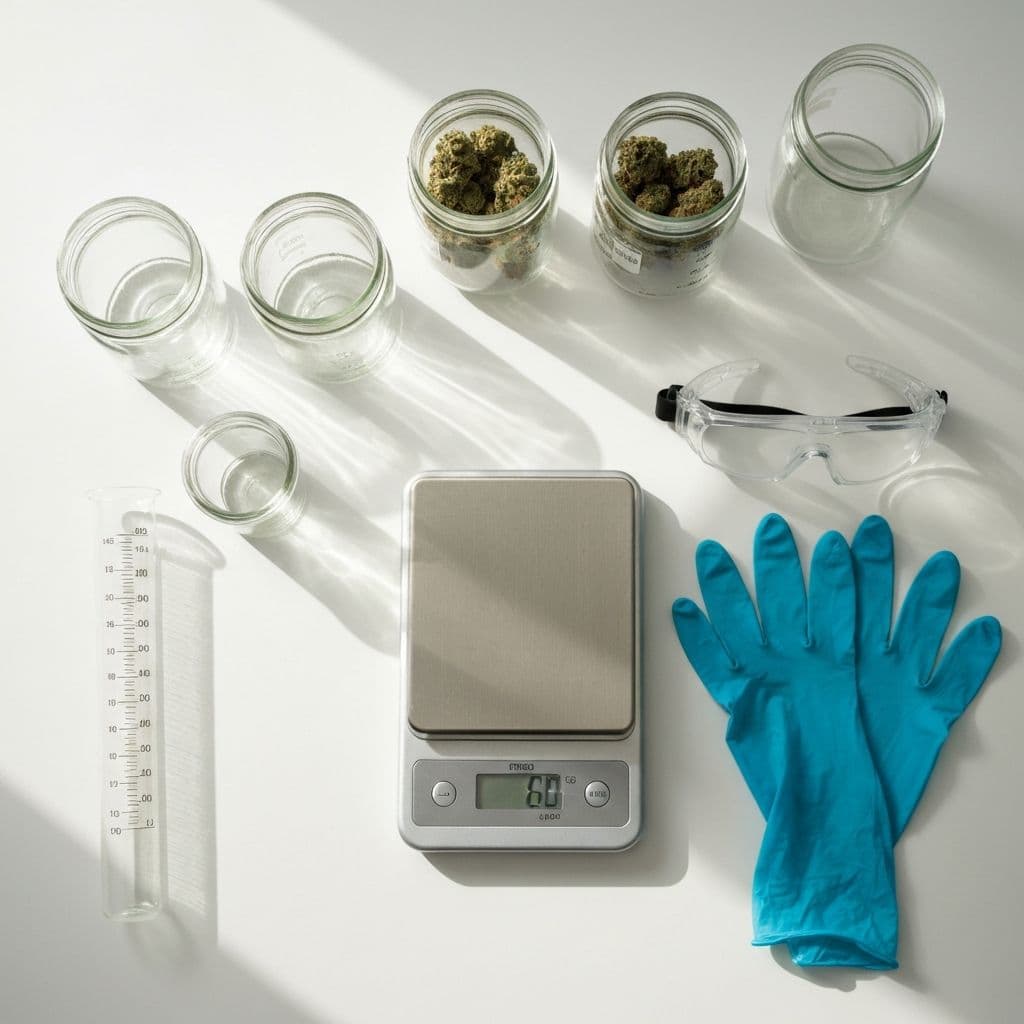
- High-quality cannabis flower, trim, or shake (indica-dominant strains are traditional)
- Food-grade solvent: 99% isopropyl alcohol or Everclear (190-proof grain alcohol) — never use rubbing alcohol with additives
- Rice cooker (highly recommended for safe evaporation)
- Large glass bowls or mason jars
- Cheesecloth or fine strainer
- Wooden spoon or silicone spatula
- Coffee filters (for final straining)
- Fan for ventilation
- Thermometer (optional)
- Safety equipment: Gloves, safety glasses, and fire extinguisher
Safety First - Critical Precautions
- Work only in a well-ventilated outdoor area or garage with strong airflow
- Keep away from all flames, sparks, stoves, cigarettes, or pilot lights
- Alcohol vapors are extremely flammable and can explode
- Never leave the evaporation process unattended
- Have a fire extinguisher rated for chemical fires nearby
Step-by-Step Guide: How to Make RSO Oil
Step 1: Decarboxylation (Activate the THC)
Grind your cannabis material coarsely. Spread it on a baking sheet and bake at 220–240°F (105–115°C) for 30–45 minutes. This converts THCA into active THC. Stir halfway through. Let it cool completely.
Note: Some people skip this and let the heat from evaporation do the work, but pre-decarb gives more consistent potency.
Step 2: Soak the Cannabis in Solvent
Place the decarbed cannabis in a large glass bowl. Pour enough chilled solvent (Everclear or isopropyl) to fully cover the material (about 1–2 inches above). Stir and mash gently for 3–5 minutes. The solvent will turn dark green/brown as it pulls out cannabinoids.
For a cleaner extract, do a quick second wash with fresh solvent.
Step 3: Strain the Mixture
Pour the liquid through cheesecloth or a fine strainer into another container. Squeeze the plant material firmly to extract as much liquid as possible. Filter again with coffee filters for clarity.
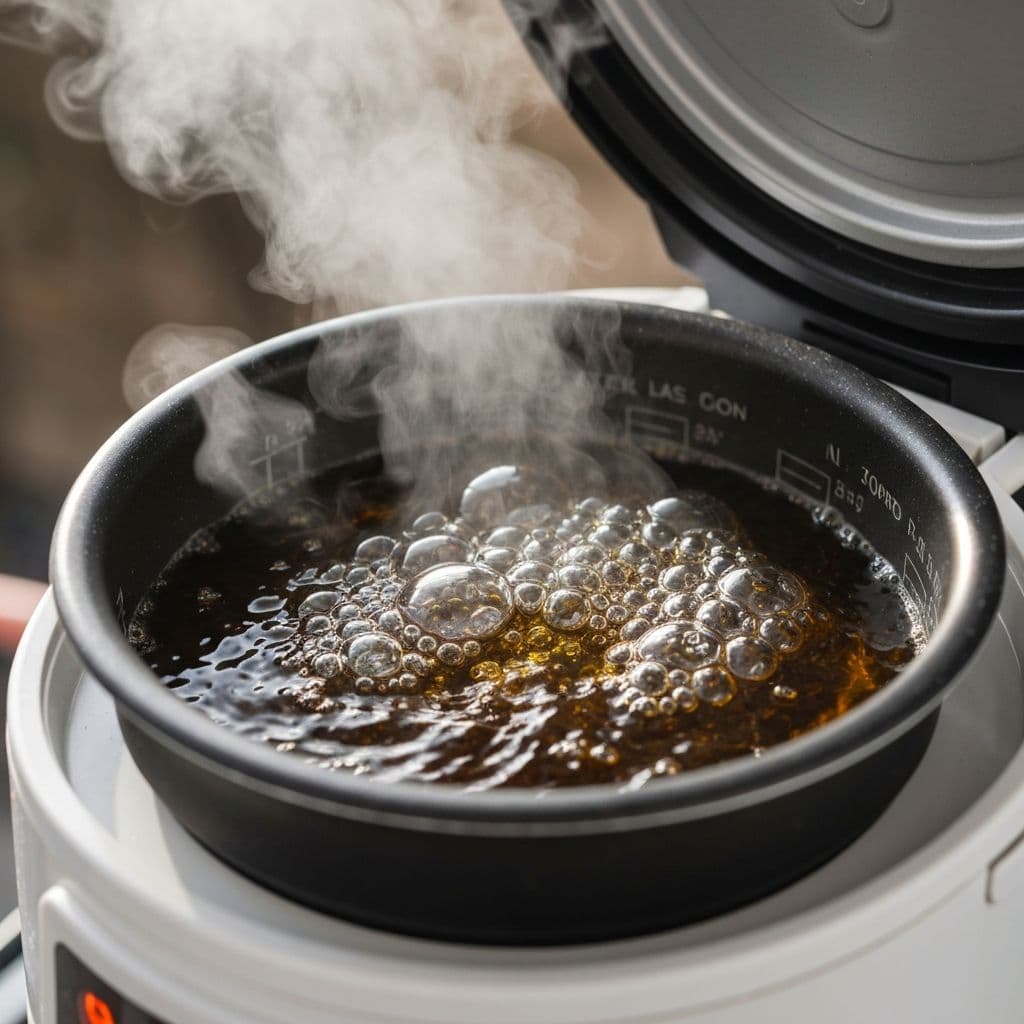
Step 4: Evaporate the Solvent (Rice Cooker Method)
Pour the filtered tincture into your rice cooker (fill no more than halfway). Set the rice cooker to "Cook" or "Warm" mode. Keep the lid off and place a fan nearby for ventilation.
The alcohol will slowly evaporate. This can take 4–8+ hours depending on batch size. Never leave it unattended.
As the liquid reduces, you can add more tincture if needed. Stir occasionally. When only thick oil remains and no more alcohol smell is present, it is nearly done. The final temperature should stay below 250°F (121°C) to avoid degrading cannabinoids.
Step 5: Final Purification and Storage
Pour the hot oil into a small glass container. Let it cool and thicken into a dark, sticky tar-like consistency. Some people do a final gentle heat on low to remove any remaining solvent.
Store in a syringe or airtight glass jar in a cool, dark place. Properly made RSO can last months.
Yield: From 1 ounce of cannabis, you may get 3–8 grams of RSO depending on potency and efficiency.
Common Mistakes to Avoid
- Using the wrong solvent (avoid anything not food-grade)
- Poor ventilation → fire or health risk
- Overheating the oil → degraded cannabinoids and harsh taste
- Not straining well → plant particles in final oil
- Incorrect dosing later (RSO is extremely potent)
Safe RSO Dosing Guide
If you ever have RSO, remember: start low and go slow. Begin with a dose the size of half a grain of rice (very tiny amount). Wait several hours before taking more. Effects can be strong and long-lasting.
For detailed dosing information, read our complete RSO dosage guide.
Why Most People Choose to Buy RSO Instead of Making It
Home extraction is time-consuming, risky, and hard to get consistent results. Buying premium lab-tested RSO oil ensures:
- Accurate potency verified by third-party testing
- No residual solvents - professional purification
- Third-party testing for safety and purity
- Convenient syringe format for precise dosing
- Consistent quality batch after batch
At NaturalCannabisOil.shop, we offer high potency RSO oil, lab-tested RSO oil, and quality RSO syringe options with discreet shipping. Our products are made professionally so you can focus on responsible use without the dangers of home extraction.
External Resources
For more information about cannabis extraction safety and regulations, visit these authoritative sources:
Frequently Asked Questions About Making RSO
Q: Is it safe to make RSO at home?
No — it involves flammable solvents and carries real fire and health risks. We recommend buying lab-tested products instead.
Q: What solvent is best for RSO?
Food-grade ethanol like Everclear is generally preferred over isopropyl alcohol for safety reasons.
Q: Do I need to decarboxylate before making RSO?
Yes, for best results, but some heat during evaporation also helps activate THC.
Q: How long does homemade RSO last?
Several months if stored properly in a cool, dark place.
Q: Can I make RSO without a rice cooker?
It is possible with double-boiler or slow evaporation methods, but rice cookers are popular because they maintain lower, steadier heat.
Ready to Skip the Risk?
Learning how to make RSO or how to make Rick Simpson Oil is educational, but the safest choice is to buy RSO oil online from a trusted shop.
Explore our collection of premium RSO oil, organic RSO oil, and lab-tested RSO syringe options at NaturalCannabisOil.shop.
We prioritize quality, safety, and transparency so you can have peace of mind.