RSO Guide: Rick Simpson Oil Explained - Benefits, Uses, and Safe Dosing
Comprehensive guide to understanding Rick Simpson Oil, its science, production, and therapeutic applications

What Is RSO? Composition and Appearance
Rick Simpson Oil (RSO) is a thick, dark, tar-like oil extracted from cannabis flowers, typically indica-dominant strains chosen for their sedative effects and high THC content. It contains extraordinary levels of THC—often 60–90%, or 600–900mg per gram—along with minor cannabinoids (CBD, CBG, CBN), terpenes, and flavonoids. Unlike isolates or distillates that strip away plant compounds, RSO preserves the full-spectrum profile, theoretically enabling the "entourage effect" where all compounds work synergistically for maximum therapeutic potential.
RSO is characteristically thick and difficult to dispense at room temperature, often requiring gentle warming to flow properly through syringes. This consistency reflects its potency and lack of dilution—it's concentrated plant essence. It's usually packaged in syringes for precise dispensing, though some producers offer it in jars. The dark color comes from chlorophyll and other plant pigments preserved during full-spectrum extraction, distinguishing it visually from lighter distillates or isolates.
History: Rick Simpson's Journey and Legacy
In 2003, Rick Simpson, a Canadian engineer living in Nova Scotia, was diagnosed with basal cell carcinoma—a form of skin cancer—after a workplace injury. After conventional medical treatments failed to resolve his condition satisfactorily, Simpson began researching cannabis, particularly inspired by a 1975 study showing THC inhibiting tumor growth in laboratory mice. Drawing on earlier cannabis research and his engineering background, Simpson developed his own cannabis oil extraction method using traditional solvents.
Simpson reported applying his homemade cannabis oil topically to his skin lesions, claiming they disappeared within days. Inspired by his personal success, he began sharing his oil freely with others in his community, gradually building a reputation as someone with a potentially therapeutic cannabis product. His story gained worldwide attention through documentaries and online platforms, particularly "Run from the Cure," which detailed his protocol and philosophy. Simpson's advocacy, while legally contentious in Canada, sparked global interest in high-potency cannabis extracts for therapeutic purposes.
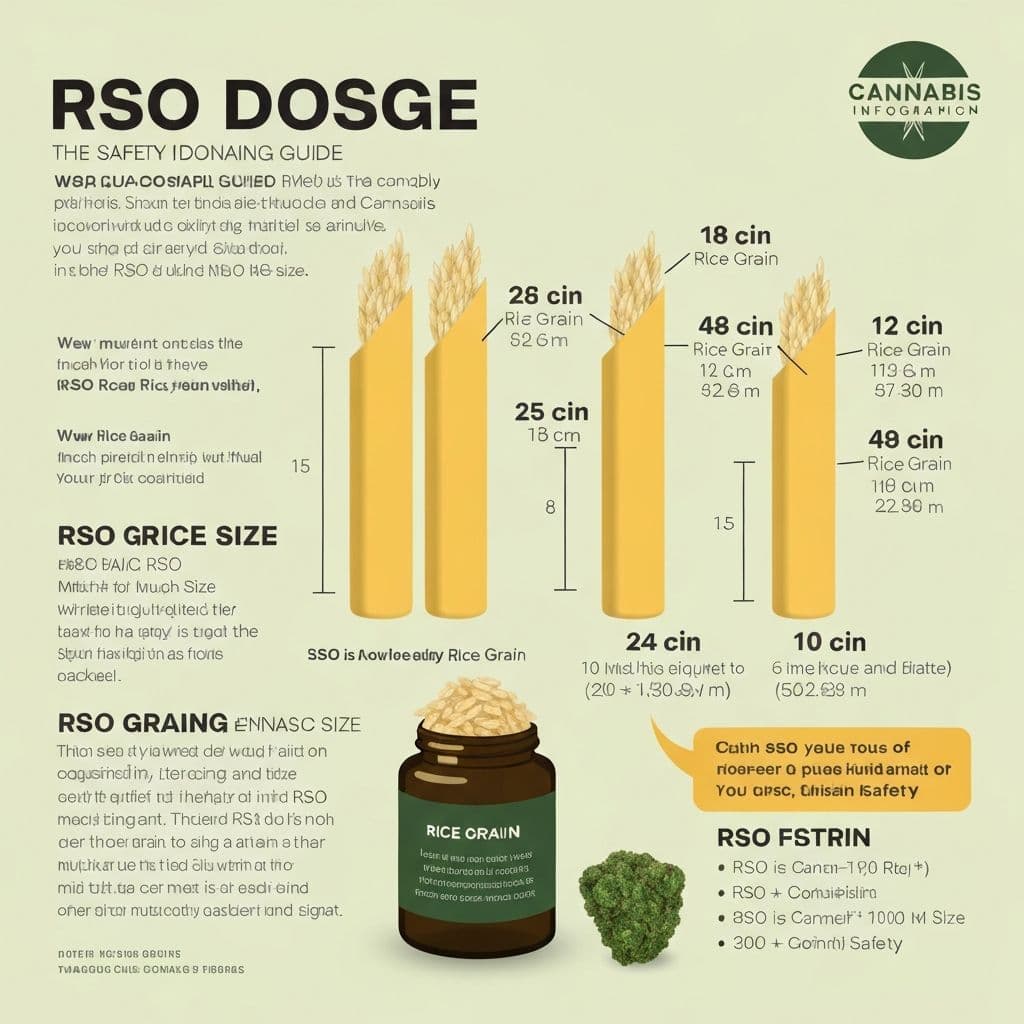
Simpson popularized the now-famous "60g over 90 days" protocol—an intensive regimen where users gradually increase daily doses from a rice grain to approximately 1 gram daily over a 12-week period. This protocol became iconic in RSO circles, though Simpson himself emphasized that his claims were anecdotal and not scientifically proven. By 2026, while Simpson's cancer claims remain unproven and somewhat controversial in medical circles, his work undeniably influenced cannabis research, legalization efforts, and consumer interest in full-spectrum extracts. Legal RSO produced in regulated environments with modern safety standards now represents his legacy's evolution into professional cannabis medicine.
Production: Traditional vs. Modern Methods
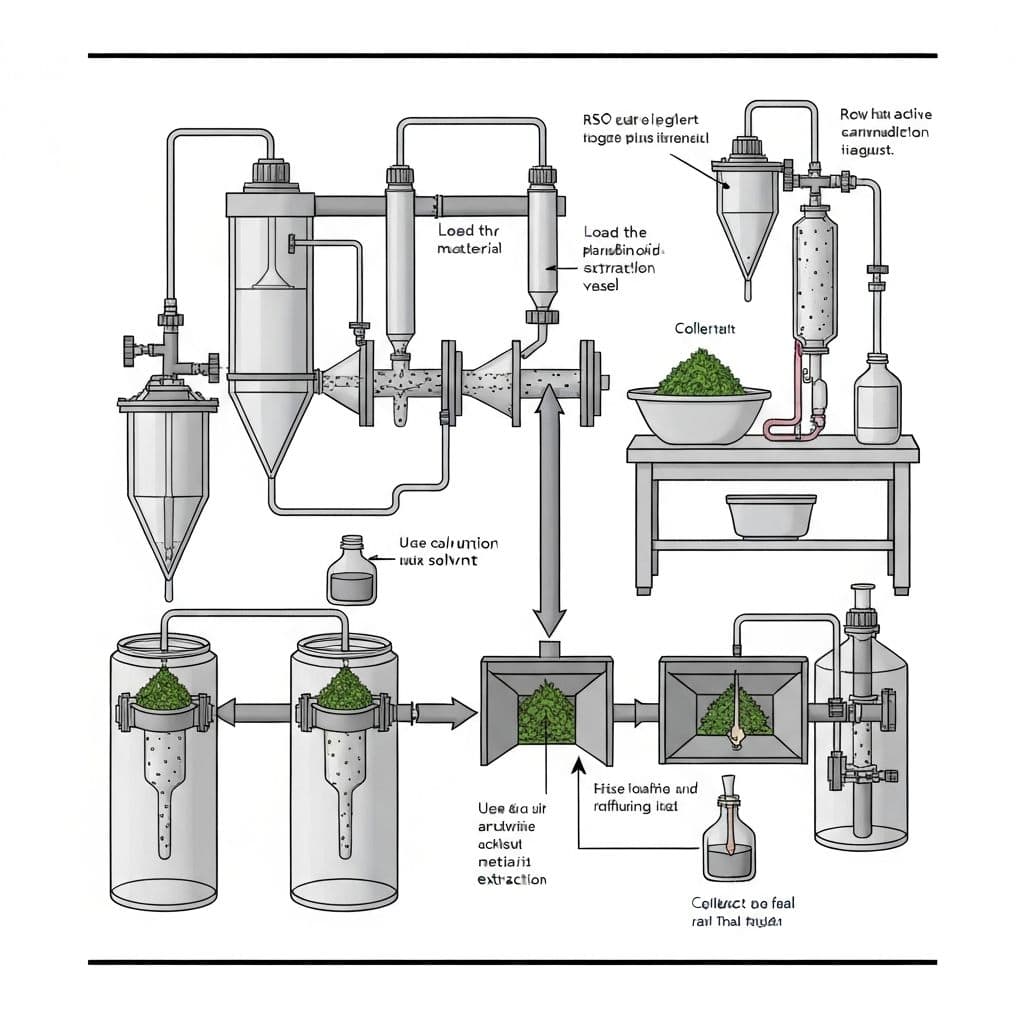
Traditional RSO production, as pioneered by Rick Simpson, uses solvents—originally naphtha or isopropyl alcohol—to dissolve cannabis compounds. Plant material is soaked in solvent, which extracts cannabinoids, terpenes, and other compounds. The solvent is then evaporated, either through heat or vacuum purging, leaving behind concentrated oil. The process is relatively straightforward but carries significant safety risks: flammable solvents, potential residual solvent contamination, and the need for careful purging.
Modern RSO production, especially in regulated markets, increasingly employs food-grade ethanol or CO2 extraction—methods considered safer and producing cleaner results. Food-grade ethanol avoids the flammability issues of naphtha and is easier to purge completely. CO2 extraction, a supercritical fluid method, offers exquisite control over extraction conditions and solvent residues, though it requires specialized equipment. These modern techniques produce RSO with documented purity, lab-tested potency, and minimal contaminants—a far cry from homemade variations.
Key production steps: First, select high-quality, high-THC cannabis—typically indica or indica-dominant hybrids. Second, soak the material in solvent (ethanol, CO2, or other approved methods). Third, carefully evaporate solvent under controlled low heat or vacuum to preserve terpenes and cannabinoids. Fourth, optionally decarboxylate (heat-activate) THC-A into THC for psychoactive effects, though raw RSO retains THC-A and other acidic cannabinoids. Finally, in regulated markets, lab-test for potency, contaminants (pesticides, heavy metals, microbial), and solvent residues before packaging.

The Science: Endocannabinoid System and Entourage Effect
RSO interacts with the human endocannabinoid system (ECS), a regulatory network discovered in the 1990s that maintains homeostasis—balance—across numerous bodily functions including pain, inflammation, mood, sleep, appetite, and immunity. The ECS includes cannabinoid receptors (CB1 primarily in the brain, CB2 in immune and peripheral tissues) and endogenous cannabinoids (anandamide, 2-AG) that naturally regulate these systems.
When RSO is consumed, its THC binds primarily to CB1 receptors in the brain, producing psychoactive effects and pain relief. CBD in RSO (though often minor in high-THC RSO) binds more loosely to cannabinoid receptors but modulates their signaling, potentially countering excessive THC effects. Full-spectrum RSO's additional cannabinoids (CBG, CBN, THCV) and terpenes further modulate ECS signaling through multiple mechanisms, potentially enhancing overall therapeutic effects—the "entourage effect."
The entourage effect theory, proposed in 1998 by researcher Shimon Ben-Shabat, suggests that cannabis compounds work synergistically, producing better therapeutic outcomes together than any single compound alone. A 2020 study in Frontiers in Plant Science confirmed that full-spectrum extracts like RSO provided superior pain relief compared to pure THC isolates. Recent research (2024-2025) explores RSO's mechanisms in detail, though much remains preliminary pending larger human clinical trials. This scientific understanding validates why RSO, despite its potency, appeals to many seeking comprehensive therapeutic benefits through whole-plant medicine.
Reported Benefits and Uses
Users report RSO for diverse conditions, though scientific evidence varies. For pain relief, RSO's high THC content provides strong analgesia through multiple mechanisms—CB1 receptor activation blocks pain signal transmission, while terpenes like beta-caryophyllene act as CB2 agonists, reducing inflammation. Chronic pain sufferers report relief from arthritis, neuropathy, fibromyalgia, and post-surgical pain after using RSO consistently.
Sleep support represents another primary reason users seek RSO. Indica-dominant RSO strains naturally contain myrcene and other sedative terpenes; THC's psychoactive effects promote relaxation and drowsiness, while minor cannabinoid CBN specifically enhances sedation. Users commonly report deeper, longer sleep with evening RSO doses, though individual responses vary widely.
RSO use for nausea and appetite stimulation, particularly for chemotherapy patients, reflects THC's well-documented antiemetic properties. FDA-approved THC pharmaceuticals (Marinol) specifically address these indications. Cancer patients undergoing chemotherapy frequently report improved appetite and reduced nausea with RSO use, though it's always used as complementary to conventional treatment, never a replacement.
Other commonly reported benefits include inflammation reduction (through cannabinoid and terpene mechanisms), anxiety and stress relief (through THC's relaxation and CBD's modulation), and topical skin issue support (for localized application). However, these reports remain largely anecdotal; while preclinical and early clinical research shows promise, large-scale human trials remain limited, requiring users to consult healthcare providers for guidance.
RSO and Cancer: What Does the Evidence Really Show?
Preclinical (laboratory and animal) studies show cannabinoids, particularly THC and CBD, inhibiting tumor growth in petri dishes and mice. A 1975 study first noted this potential, inspiring Rick Simpson decades later. However—and this is crucial—animal studies rarely translate directly to human efficacy. Preclinical evidence indicates potential mechanisms but doesn't prove RSO treats or cures cancer in humans.
Human clinical trials examining RSO specifically for cancer are extremely limited. A 2021 National Academies of Sciences review found insufficient evidence that cannabis or cannabinoids specifically treat cancer in humans. While some observational studies show improved quality of life and symptom management (pain, nausea) in cancer patients using cannabis, these don't demonstrate direct anticancer effects. Anecdotal testimonies abound online, but these remain personal reports without controlled scientific validation.
Medical experts universally caution against delaying proven cancer treatments (surgery, chemotherapy, radiation) in favor of RSO. RSO may complement conventional treatment for symptom management—reducing chemo nausea, improving appetite, managing pain—but should never replace evidence-based cancer therapies. For anyone with cancer or serious illness, consulting oncologists alongside integrative medicine specialists represents the safest, most responsible approach.

Safe Dosing: Start Low, Go Slow
RSO's exceptional potency demands extreme caution. A rice grain-sized dose (~0.05g) from 800mg/g RSO delivers approximately 40–80mg THC—equivalent to several cannabis edibles. For beginners, starting with half a rice grain (~20-25mg THC) is critical, even though it feels tiny. Effects take 45-120 minutes after oral ingestion, so patience between doses is essential.
Beginner Protocol (Weeks 1-2): Begin with 1/4 rice grain (approximately 20-25mg THC) three times daily: morning with breakfast, afternoon with lunch, evening 1-2 hours before bed. Maintain this dose for 5-7 days, journaling all effects. If no overwhelming symptoms occur, progress to 1/2 rice grain (40-50mg) three times daily by day 8. Total daily dose builds from roughly 60-75mg to 120-150mg THC over two weeks.
Intermediate Protocol (Weeks 3-8): Double the previous dose every 4-5 days if comfortable. By week 5-6, most users reach 0.3-0.5g daily (240-400mg THC) split across three doses. This phase represents the therapeutic range for many conditions requiring RSO.
Advanced/Rick Simpson's 90-Day Protocol (Weeks 6-12+): Only pursue with professional supervision. Simpson's original protocol aimed for 1g daily (700-900mg THC) split across multiple doses. Reaching this requires very gradual progression and exceptional tolerance. Most users require far less; many find optimal relief at 0.3-0.5g daily.
Administration Methods
Oral/Sublingual: Place RSO directly under the tongue for 60-90 seconds before swallowing, or swallow directly. Under-tongue absorption allows some cannabinoids to enter bloodstream directly; swallowing routes them through the digestive system. Sublingual onset is slightly faster (45-90 minutes); oral ingestion takes 60-120 minutes but often produces longer effects (6-12 hours).
With Food: Mix RSO with healthy fats (coconut oil, nut butter, avocado, olive oil) for improved absorption—cannabinoids are lipophilic (fat-soluble). This method may enhance effects and reduce digestive upset.
Capsules: Fill empty capsules with RSO or RSO mixed with carrier oil for precise, portable dosing that eliminates taste.
Topical: Mix RSO with lotion or salve for localized pain relief or skin issue treatment. Topical application delivers no psychoactive effects and works well for arthritis, muscle pain, or dermatological concerns.
Pro Tips: Warm syringes gently (not hot!) in warm water to improve flow. Use a syringe mark as your dosing guide. Never smoke or vape unpurified RSO—it's designed for oral/topical use.
RSO vs. FECO: Key Differences
While often confused, RSO and FECO differ significantly. RSO traditionally uses naphtha or isopropyl solvents (carrying contamination risks if not purged properly); FECO employs food-grade ethanol or CO2 (cleaner, safer). RSO emphasizes high-THC profiles for intensive use; FECO offers customizable ratios (THC-dominant, balanced, or CBD-rich). RSO often comes from variable/homemade sources; FECO typically originates from lab regulation with third-party testing.
In 2026, modern lab-tested RSO increasingly aligns with FECO quality standards. Both are full-spectrum; the distinction has become more about production philosophy and availability than fundamental chemistry. For safety and consistency, both consumers and medical professionals increasingly prefer lab-tested products from legitimate dispensaries over unregulated sources.
Risks, Side Effects, and Safety Considerations
Common side effects include drowsiness, dry mouth, increased heart rate, bloodshot eyes, and mood changes. More serious risks involve dependency (especially with daily high-dose use over months), psychosis (in predisposed individuals), and interactions with medications (sedatives, blood thinners). Counteract over-intoxication with CBD (which modulates THC), rest, hydration, and reassurance.
Critical safety notes: Never drive or operate machinery after RSO use. Avoid if pregnant, breastfeeding, or underage. Inform healthcare providers about cannabis use. Store securely away from children and pets. Purchase only lab-tested products from legitimate sources—homemade RSO risks solvent contamination and unpredictable potency.
Frequently Asked Questions
Q: Safe starting RSO dose? 1/4 rice grain (20-25mg THC), three times daily.
Q: How long to reach 1g daily? 5-8 weeks with careful progression; most users need far less.
Q: RSO for pain or sleep? Evening indica-dominant doses provide both benefits; consistent use yields best results.
Q: Cancer claims true? Anecdotal; no proven human cures. Use alongside conventional treatment for symptom management.
Q: Homemade RSO safe? High risk of solvent contamination; buy lab-tested products only.
Conclusion
Rick Simpson Oil represents a powerful full-spectrum cannabis concentrate with legendary status in alternative wellness. While Simpson's personal story inspired millions and spurred cannabis research, his cancer claims remain unproven scientifically. Modern RSO, produced in regulated environments with lab testing, offers reliable symptom management potential for pain, sleep, nausea, and anxiety. However, RSO is not a cure-all—responsible use demands caution, professional guidance, and realistic expectations. Start with tiny doses, progress slowly, maintain detailed journals, and always consult healthcare providers. As research evolves through 2026 and beyond, RSO will likely play an important supportive role in integrated medicine approaches, particularly for symptom management in serious illnesses. Respect RSO's potency, prioritize safety, and use responsibly for best outcomes.