
Full Extract Cannabis Oil (FECO): Complete Guide to Extraction, Benefits, and Medical Use
Explore the science, production, and therapeutic applications of Full Extract Cannabis Oil
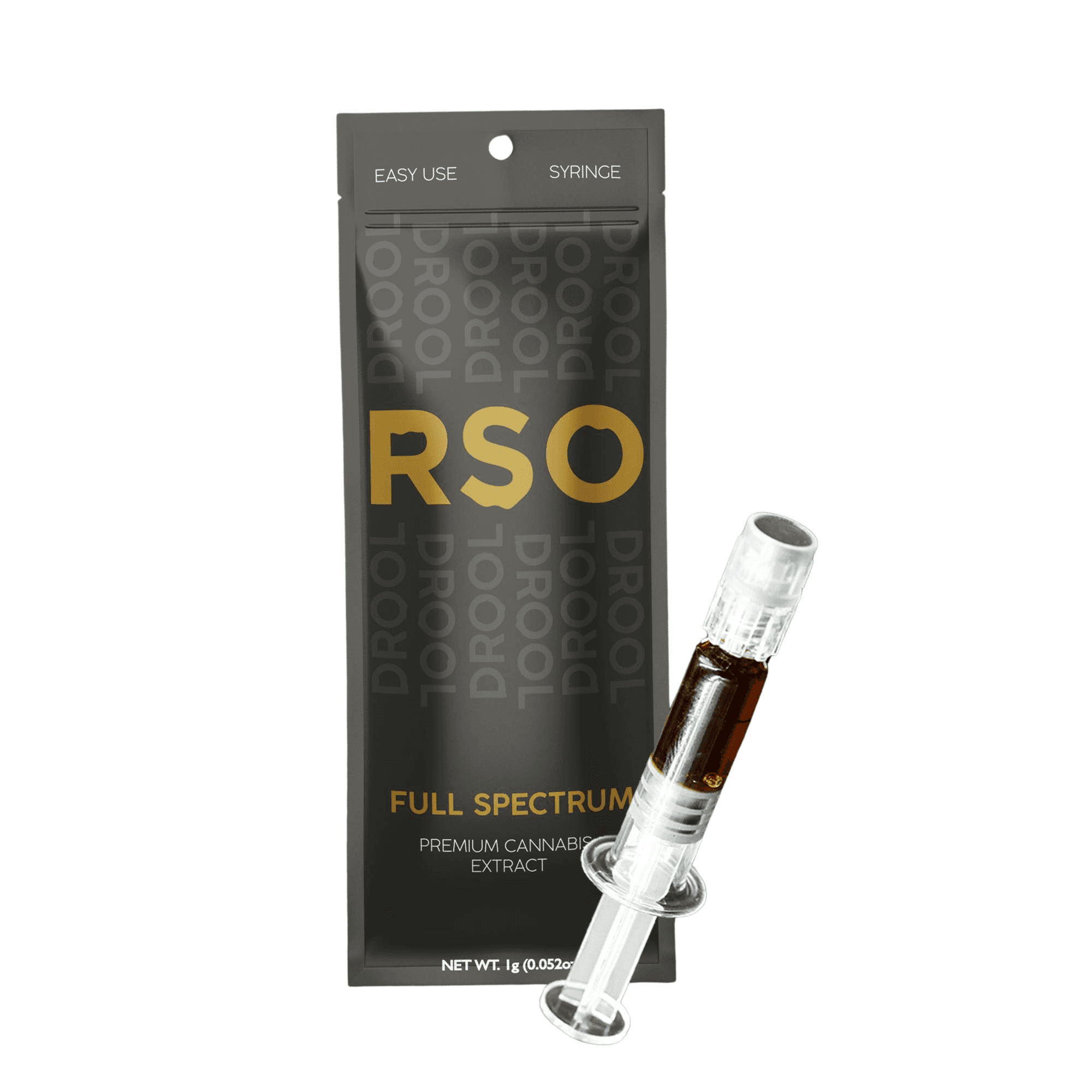
What is Full Extract Cannabis Oil (FECO)?
Full Extract Cannabis Oil, commonly abbreviated FECO, represents a refined approach to cannabis extraction that preserves the plant's complete natural profile. Unlike isolated cannabinoids or distillates that focus on single compounds, FECO captures the entire spectrum of cannabis chemistry—cannabinoids, terpenes, flavonoids, and other phytocompounds—in a single concentrated product. The result is a thick, dark-colored oil typically dispensed in syringes, containing 60-90% total cannabinoids with THC levels ranging from 500-900mg per gram.
The fundamental philosophy behind FECO production emphasizes pharmaceutical-grade safety and consistency. Food-grade ethanol or supercritical CO2 extraction methods form the foundation—these are the same solvents used in pharmaceutical production worldwide. This commitment to clean extraction distinguishes FECO from historical cannabis extraction methods that sometimes employed hazardous substances. The result is a product that can withstand rigorous third-party laboratory testing for potency, contaminant levels, pesticide residues, and microbial safety.
FECO Extraction Methods: Science and Safety
Modern FECO production employs several extraction techniques, each with distinct advantages. Food-grade ethanol extraction, the most common method, begins with premium cannabis flowers selected for cannabinoid and terpene profiles. The material is submerged in food-grade ethanol (the same form used in vanilla extracts and pharmaceuticals), which acts as a solvent, dissolving cannabinoids, terpenes, flavonoids, and other lipophilic (fat-soluble) compounds.
Step-by-step ethanol extraction: Plant material soaks in ethanol at controlled temperatures (typically below 100°C to preserve terpenes). The cannabis compounds dissolve into the ethanol solution. The combined mixture is then filtered to remove solid plant matter. The ethanol is evaporated in controlled environments—often using vacuum chambers or low-heat methods—leaving behind concentrated FECO. Finally, any residual ethanol is purged to ensure safety and compliance with regulations.
Supercritical CO2 extraction represents an alternative approach gaining popularity for FECO production. CO2 at specific temperature and pressure becomes a supercritical fluid with unique properties—it dissolves compounds like a liquid while diffusing like a gas. This method offers exquisite control over extraction conditions, precise temperature management, and complete elimination of solvent residues (CO2 simply evaporates as a gas). The result is exceptionally pure FECO with optimal terpene preservation.
Both methods are fundamentally safer than historical cannabis extraction using naphtha or butane. Ethanol and CO2 pose minimal health risks when properly purged, create no toxic byproducts, and are approved by pharmaceutical regulatory agencies worldwide. This safety profile enabled FECO to enter regulated dispensary markets with laboratory oversight and quality assurance—a significant achievement compared to earlier, less controlled extraction methods.
FECO Cannabinoid Profiles: Understanding Full-Spectrum Composition
A comprehensive FECO product contains far more than just THC and CBD. Modern laboratory analysis identifies dozens of cannabinoids present in full-spectrum extracts. THC remains the primary psychoactive compound, while CBD modulates THC's effects and provides anxiolytic benefits. CBG (cannabigerol) exhibits antibacterial and anti-inflammatory properties. CBN (cannabinol) contributes sedative effects, particularly valuable for sleep support. THCV (tetrahydrocannabivarin) shows potential as an appetite suppressant and neuroprotective compound. CBC (cannabichromene) may provide analgesic and anti-inflammatory benefits. These minor cannabinoids, present in smaller quantities than THC or CBD, nonetheless contribute meaningfully to FECO's overall therapeutic potential.
Terpenes, the aromatic compounds responsible for cannabis' distinctive scents, play equally important roles in FECO efficacy. Myrcene, the most abundant terpene in many cannabis strains, promotes relaxation and may enhance THC's effects. Limonene provides uplifting, mood-elevating properties and anti-inflammatory benefits. Pinene supports alertness and anti-inflammatory responses. Beta-caryophyllene acts as a CB2 receptor agonist, directly supporting inflammation reduction. Linalool contributes calming, sedative effects. A typical FECO contains a dozen or more terpenes, each contributing distinct effects and therapeutic potential.
Flavonoids, plant pigments providing health-promoting antioxidant properties, represent a third major compound class in FECO. Cannflavin A reportedly exceeds aspirin's anti-inflammatory potency in laboratory studies. Other cannabis flavonoids support neuroprotection and cellular health. These compounds rarely appear in isolated cannabinoid products but are preserved in full-spectrum FECO extracts.
The Entourage Effect: Why Full-Spectrum FECO Outperforms Isolates
The "entourage effect" stands as the cornerstone concept explaining FECO's superiority over isolated cannabinoid products. This theory, formulated in 1998 by researcher Shimon Ben-Shabat, proposes that cannabis compounds produce better therapeutic outcomes when working together than any single compound in isolation. Rather than THC alone being the therapeutic agent, all cannabinoids, terpenes, and other plant compounds synergistically enhance effects through multiple biochemical pathways.
Scientific evidence increasingly supports the entourage effect concept. A landmark 2020 study published in Frontiers in Plant Science directly compared full-spectrum cannabis extracts with isolated THC, finding that whole-plant extracts provided superior pain relief and broader therapeutic benefits. The researchers concluded that the synergistic interactions between cannabinoids and terpenes enhanced therapeutic efficacy beyond what isolated compounds could achieve. A 2024 meta-analysis in JAMA Network Open confirmed that full-spectrum extracts reduced chronic pain by approximately 29% more effectively than isolates.
This synergy operates through multiple mechanisms. THC alone can produce anxiety or paranoia in sensitive individuals; CBD and terpenes like linalool modulate these psychoactive effects, creating more balanced experiences. CBN enhances THC's sedative properties for improved sleep. Minor cannabinoids and terpenes activate additional cannabinoid receptors and non-cannabinoid targets (like serotonin receptors, vanilloid receptors), broadening therapeutic potential. From a practical standpoint, this means FECO users often experience smoother effects, better symptom relief, and fewer side effects compared to isolated cannabinoid users at equivalent doses.
Medical Applications: What Research Shows
Chronic Pain Management: Research from 2024-2025 establishes FECO's effectiveness for chronic pain conditions. The 2024 JAMA meta-analysis found full-spectrum extracts reduced pain intensity by 29% on average in chronic pain sufferers—outperforming isolates significantly. FECO works through multiple mechanisms: THC binds CB1 receptors to block pain signal transmission; CBD reduces neuroinflammation; terpenes like beta-caryophyllene activate CB2 receptors in peripheral tissues; CBG contributes direct anti-inflammatory effects. Users report relief from arthritis, neuropathy, fibromyalgia, post-surgical pain, and cancer-related pain when using FECO consistently. A 2025 clinical trial on middle-aged adults with moderate-to-severe chronic pain found FECO users experienced improved pain control, enhanced sleep, and better overall quality of life compared to placebo controls.
Sleep Disturbances and Insomnia: Sleep improvement represents one of FECO's most consistently reported benefits. The mechanism combines THC's sedative properties with CBN's sleep-specific cannabinoid actions and myrcene, linalool, and other sleep-promoting terpenes. A September 2025 PLOS study tracking 200 patients over 18 months found that FECO-based cannabis products dramatically improved sleep quality, increased sleep duration, and enhanced next-day function in chronic insomnia sufferers. An August 2025 sleep medicine study confirmed these findings, noting that FECO's full-spectrum profile produced better sleep than isolated cannabinoids. However, a November 2025 review cautioned that individual responses vary—some users experience better sleep while others experience disruption, emphasizing personalized dose optimization.
Anxiety and Stress Management: FECO's balanced cannabinoid profile supports anxiety reduction better than isolated THC (which can increase anxiety) or isolated CBD alone. CBD provides the primary anxiolytic effect, while THC's anxiogenic potential is modulated by CBD and calming terpenes. A 2025 scoping review across multiple studies found that full-spectrum cannabis products, including FECO, reduced anxiety symptoms and improved sleep disturbances more effectively than isolates. Brazilian research confirmed CBD's anxiety benefits enhanced by full-spectrum synergy. However, a 2025 Conversation article provided important nuance: benefits are more modest than sometimes portrayed, with best results in consistent users combining FECO with lifestyle modifications.
Nausea and Appetite: FDA-approved THC pharmaceuticals specifically treat chemotherapy-induced nausea (CINV) and appetite loss. FECO's full-spectrum THC content provides these benefits, often with better palatability and faster onset than pharmaceutical options. Cancer patients undergoing chemotherapy frequently report improved appetite, reduced nausea, and better nutritional intake when using FECO alongside conventional treatment. These benefits, while not curative for cancer, significantly improve quality of life and may support better treatment tolerance.
Inflammation and Autoimmune Conditions: FECO's multiple anti-inflammatory compounds—THC, CBD, CBG, CBC, and terpenes like pinene and myrcene—address inflammation through diverse mechanisms. Users report improvements in conditions like rheumatoid arthritis, inflammatory bowel disease, and other autoimmune-driven inflammation. Research remains preliminary for most conditions, but mechanistic studies confirm FECO's potent anti-inflammatory capacity through multiple pathways.
Dosing Protocols: From Therapeutic to Wellness Use
FECO dosing depends on individual factors: baseline THC tolerance, weight, metabolism, and therapeutic goals. A rice-grain sized dose (~0.05g) from typical 800mg/g FECO delivers approximately 40mg cannabinoids—substantial for THC-naive users.
Beginner Wellness Dosing: Start with half rice grain (20mg) once daily, ideally in evening. After 1-2 weeks, increase to twice daily if well tolerated. By week 3-4, progress to full rice grain doses. Most wellness users find optimal benefit at 100-200mg daily split across 2-3 doses.
Therapeutic Dosing (Pain, Sleep, Anxiety): Increase to 0.1-0.15g (80-120mg) twice to three times daily, progressing every 4-5 days. This phase typically reaches 200-300mg daily, where many therapeutic benefits manifest. Medical cannabis clinicians often recommend staying at this level unless specific reasons justify further increases.
High-Dose Protocols: For serious conditions under professional supervision, doses may reach 0.3-0.5g (240-400mg) split across 3-4 doses daily. This level requires established tolerance and careful monitoring for side effects.
FECO vs. Other Cannabis Products: A Comparative Analysis
FECO vs. Distillate: Distillate contains primarily isolated THC (often 90%+) with minimal other compounds. FECO retains the full plant profile. For therapeutic use, FECO typically provides broader benefits and better side effect profiles. For recreation, distillate offers maximum potency, but FECO provides more balanced experiences.
FECO vs. Isolate: Isolates contain single compounds (pure THC or CBD). Research consistently shows full-spectrum FECO outperforms isolates for therapeutic benefits due to entourage effects. Isolates offer predictability and precise dosing but less comprehensive therapeutic potential.
FECO vs. RSO: While both are full-spectrum, RSO traditionally uses riskier solvents; FECO employs food-grade methods. FECO offers customizable ratios; RSO is typically THC-dominant. Both can be therapeutically valuable when properly produced and tested.
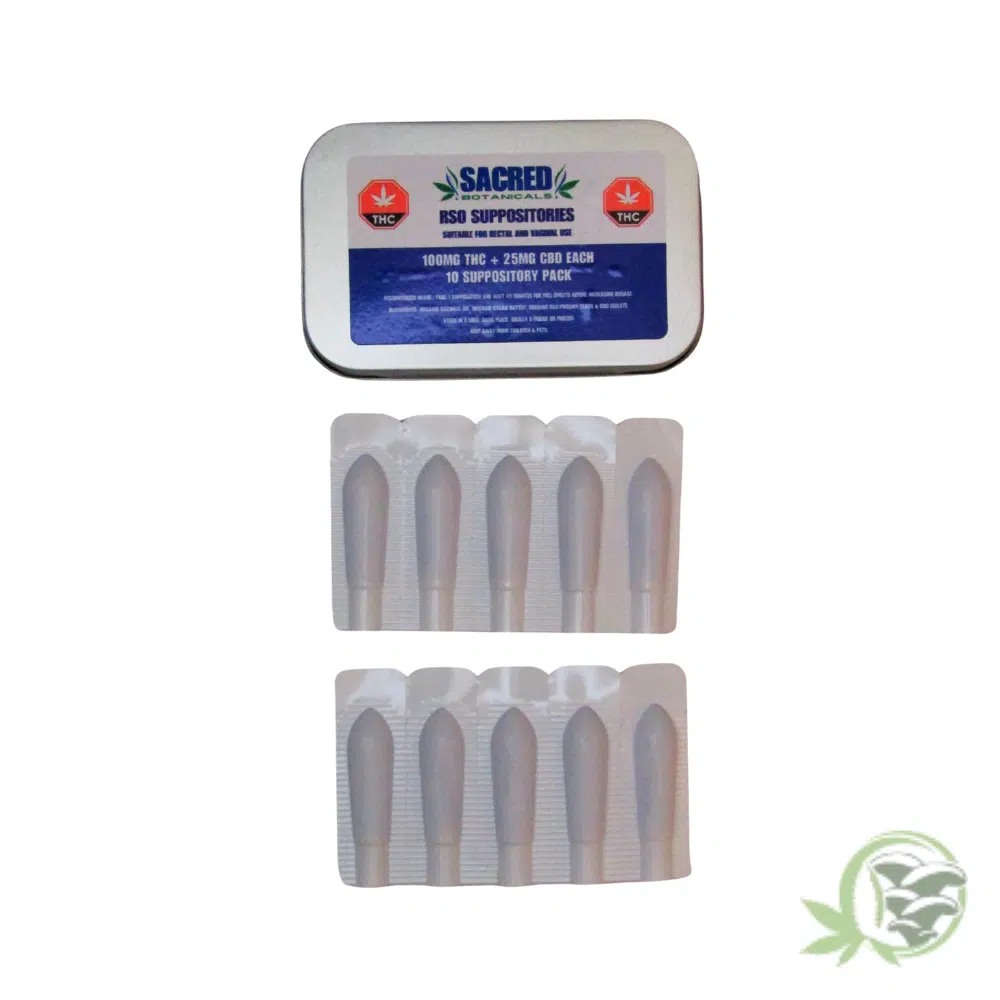
Administration Methods: Optimizing FECO Use
Sublingual: Place under tongue for 60-90 seconds before swallowing. Rapid onset (15-45 minutes) through oral mucosa absorption. Shorter duration (4-6 hours) than oral ingestion.
Oral/Swallowing: Consume directly or with food containing fats. Slower onset (45-120 minutes) but longer duration (6-12 hours). Better for therapeutic, sustained effects.
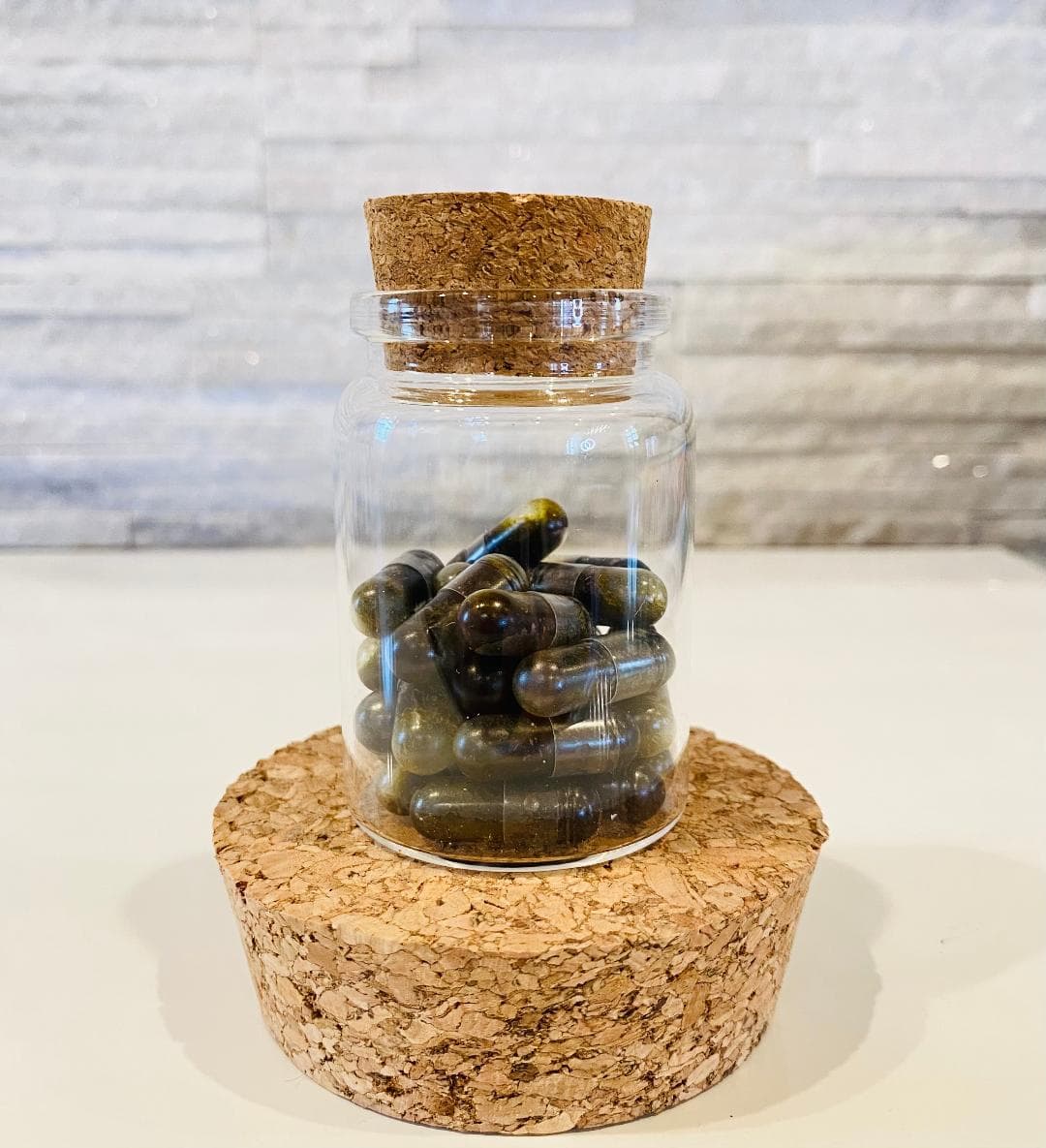
Capsules: Fill empty capsules for precise, portable, taste-free dosing. Effects similar to oral ingestion.
Topical: Mix with carrier oils or lotions for localized pain/skin conditions. No psychoactive effects; ideal for targeted therapy.
Safety, Side Effects, and Considerations
Common side effects: Drowsiness, dry mouth, appetite changes, red eyes. More serious: dependency potential (with daily high-dose chronic use), interactions with sedatives/blood thinners, anxiety in sensitive individuals. Always disclose cannabis use to healthcare providers.
Critically: Never drive or operate machinery after FECO use. Purchase only from licensed dispensaries with third-party lab testing. Store securely away from children and pets.
Why FECO Represents the Future of Cannabis Medicine
FECO embodies cannabis medicine's evolution: from unregulated home production to pharmaceutical-grade controlled extraction, from single-compound focus to full-spectrum synergy recognition, from anecdotal claims to scientific validation. Its safety profile, quality assurance, versatile cannabinoid ratios, and entourage effect benefits position FECO as a cornerstone of modern cannabis medicine as legalization spreads globally.
Conclusion
Full Extract Cannabis Oil represents a sophisticated, science-backed approach to cannabis therapeutics. Its careful extraction preserves the plant's complete natural profile, enabling the entourage effect where compounds work synergistically. Research increasingly validates FECO's effectiveness for pain, sleep, anxiety, inflammation, and nausea—particularly when produced with pharmaceutical-grade methods and third-party testing. Whether for wellness support or medical management, FECO offers versatile, potent, predictable options. Always start low, progress gradually, maintain detailed journals, and consult healthcare professionals. As research continues, FECO will likely play an increasingly important role in integrative medicine as a safe, effective, scientifically-supported therapeutic option that bridges ancient plant knowledge with modern pharmaceutical standards.