
Cannabis Oil Extraction Methods: Complete Guide to RSO, FECO & Advanced Techniques
Expert guide covering extraction science, multiple methods, safety protocols, and quality optimization
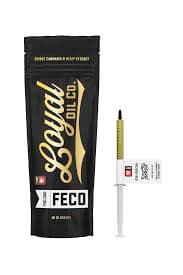
Cannabis oil extraction is a sophisticated process that transforms raw cannabis plant material into potent, concentrated products like RSO (Rick Simpson Oil) and FECO (Full Extract Cannabis Oil). Whether you're interested in understanding production methods, evaluating product quality, or exploring extraction science, this comprehensive guide covers everything you need to know about cannabis oil extraction in 2026.
Key Points About Cannabis Extraction
- Multiple extraction methods produce different cannabinoid profiles
- Solvent choice significantly impacts final product characteristics
- Temperature, time, and pressure affect extraction efficiency
- Safety protocols are critical for professional operations
- Testing ensures product quality and cannabinoid potency
Understanding Cannabis Oil Extraction
Cannabis oil extraction is the process of separating desired compounds (cannabinoids, terpenes, and plant compounds) from raw cannabis plant material. The goal is to create a concentrated product that contains a higher percentage of beneficial compounds than the original plant matter.
What Gets Extracted?
- Cannabinoids: THC, CBD, CBN, CBG, and 100+ other cannabinoid compounds
- Terpenes: Aromatic compounds that create flavor, aroma, and synergistic effects
- Flavonoids: Antioxidant compounds that contribute to plant pigmentation
- Plant waxes and lipids: Compounds that affect texture and shelf stability
Different extraction methods pull different compounds from the plant material, which explains why various cannabis oils have different characteristics, potencies, and effects.
Main Cannabis Oil Extraction Methods
1. Ethanol Extraction (RSO/FECO Method)
Most common method for producing Rick Simpson Oil and Full Extract Cannabis Oil
How It Works:
- Dried cannabis flower or trim is combined with high-proof ethanol (usually 95%+ ethanol)
- The solvent dissolves cannabinoids, terpenes, and other compounds from the plant material
- The liquid is filtered to separate plant material from the ethanol-cannabinoid mixture
- The ethanol is evaporated using low heat and/or vacuum pressure, leaving behind concentrated cannabis oil
Advantages:
- Produces full-spectrum extract
- Ethanol is food-safe
- Relatively simple process
- High extraction efficiency
- Retains terpenes
Disadvantages:
- Extracts chlorophyll (bitter taste)
- Flammable solvent (safety concerns)
- Long evaporation time
- Some terpene loss
- Residual ethanol traces
2. CO2 Extraction (Supercritical/Subcritical)
Professional method producing premium cannabis oil
How It Works:
- Carbon dioxide is pressurized and heated to a "supercritical" state (between liquid and gas)
- In this state, CO2 acts as a solvent, penetrating cannabis plant material
- The CO2 dissolves cannabinoids and terpenes from the plant matter
- Pressure is released, CO2 returns to gaseous state, leaving behind concentrated cannabis oil
Advantages:
- Non-toxic solvent (food-grade)
- Highly selective extraction
- Minimal chlorophyll extraction
- No residual solvent
- Professional quality
- Clean, pure product
Disadvantages:
- Very expensive equipment
- High operating costs
- Requires trained operators
- Some terpene loss
- Not viable for home use
- Long setup time
3. Coconut Oil Extraction (Non-Solvent)
Slow, gentle method suitable for home extraction
How It Works:
- Decarboxylated cannabis flower is combined with coconut oil
- The mixture is heated slowly at low temperature (160-200°F)
- Cannabinoids gradually dissolve into the coconut oil over several hours
- The plant material is filtered out, leaving infused coconut oil
Advantages:
- Completely safe and non-toxic
- Simple equipment needed
- Suitable for home use
- Coconut oil benefits
- Long shelf life
Disadvantages:
- Lower potency extraction
- Requires decarboxylation first
- Long infusion time
- Less concentrated final product
- Lower cannabinoid yield
- Harder to isolate cannabinoids
4. Solvent Extraction (Other Methods)
Various solvent-based approaches with different applications
Butane Hash Oil (BHO)
Uses butane as solvent. Produces high-potency concentrates but is extremely dangerous due to butane flammability. Mainly used professionally with specialized equipment.
Propane Extraction
Similar to BHO but uses propane. More efficient at extracting certain terpenes but carries similar safety risks. Produces lighter-colored concentrates.
Isopropyl Alcohol Extraction
Uses rubbing alcohol as solvent. Faster than ethanol extraction but may leave residual solvents if not properly purged. Often used for tinctures.
RSO vs FECO vs Other Extracts
While both RSO and FECO are ethanol-based full-spectrum extracts, there are important distinctions:
| Characteristic | RSO | FECO |
|---|---|---|
| Extraction Method | Ethanol wash | Ethanol wash |
| Chlorophyll Removal | Sometimes removed | Usually retained |
| Color | Dark brown/black | Dark brown/black |
| Taste | Bitter, harsh | Bitter, herbal |
| Potency | Very High | Very High |
Factors Affecting Extraction Quality
Several variables significantly impact the quality, potency, and purity of the final cannabis oil product.
🌱 Source Material Quality
The quality of the starting cannabis flower or trim directly affects the final product. High-quality, well-grown cannabis produces superior extracts with better cannabinoid profiles and flavor.
🌡️ Temperature Control
Temperature during extraction affects which compounds are dissolved. Lower temperatures preserve terpenes but extract more slowly, while higher temperatures extract faster but may destroy some beneficial compounds.
⏱️ Extraction Time
Longer extraction times can pull more compounds but may also extract undesired materials like chlorophyll. The optimal time varies by method and desired outcome.
💧 Solvent Quality and Concentration
The purity of the solvent used affects extraction efficiency and final product purity. Higher-proof ethanol (95%+) extracts more efficiently than lower concentrations.
🔬 Filtering and Purification
Multiple filtering steps and purification techniques remove unwanted plant material and impurities, resulting in cleaner, more refined final products.
🎯 Decarboxylation
Heating cannabis before extraction converts non-psychoactive THCA and CBDA into active THC and CBD. Proper decarboxylation significantly impacts the potency of the final oil.
Safety Considerations for Cannabis Extraction
Critical Safety Points
Cannabis extraction, especially with flammable solvents, carries significant safety risks that must be taken seriously.
🔥 Fire and Explosion Hazards
Butane, propane, and other flammable solvents can ignite from static electricity, heat, or flame. Professional extraction requires specialized, explosion-proof equipment in controlled environments.
☠️ Solvent Toxicity
Improper purging of solvents can leave residual chemicals in the final product, posing health risks. Professional operations use testing to verify solvent removal.
⚠️ Chemical Exposure
Extractors can suffer injuries from solvent inhalation, skin exposure, or accidental ignition. Proper ventilation and protective equipment are essential.
🚫 Legal Restrictions
Cannabis extraction is heavily regulated or illegal in many jurisdictions. Always verify local laws before attempting extraction operations.
Safe Extraction Practices (for legal jurisdictions)
- Use non-flammable solvents like ethanol or CO2 when possible
- Operate in well-ventilated areas or specialized labs
- Use appropriate safety equipment (gloves, goggles, masks)
- Avoid naked flames or ignition sources
- Implement proper waste disposal procedures
- Have fire suppression equipment readily available
- Test final products for residual solvents
- Follow all local regulations and licensing requirements
Evaluating Cannabis Oil Quality
When purchasing cannabis oils, understanding quality indicators helps ensure you're getting a safe, potent product.
Visual Characteristics
- Color: Dark brown to black is typical for full-spectrum
- Consistency: Should be thick and sticky
- Clarity: Should not be cloudy or grainy
- No separation: Oil and plant matter shouldn't separate
Testing & Certification
- Lab testing for cannabinoid content
- Microbial testing for safety
- Pesticide and heavy metal screening
- Residual solvent testing
- Third-party certification
FAQ – Cannabis Oil Extraction
Q: Which extraction method is safest?
A: CO2 extraction and coconut oil extraction are the safest methods. Ethanol extraction is also relatively safe if done professionally. Butane and propane extraction carry the highest risks.
Q: What's the difference between RSO and FECO?
A: Both are ethanol-based full-spectrum extracts. The main differences are in processing details and chlorophyll retention, which affects color, taste, and final characteristics.
Q: Can I extract cannabis at home safely?
A: Coconut oil extraction is safe at home. Ethanol extraction can be done safely with proper ventilation. Avoid flammable solvents like butane at home—the risks far outweigh benefits.
Q: How do I know if cannabis oil has residual solvents?
A: Professional lab testing is the only reliable method. Purchase from reputable sources that provide third-party lab reports showing solvent testing.
Q: What extraction method produces the most potent oil?
A: Ethanol extraction (RSO/FECO) and supercritical CO2 extraction typically produce the most potent oils. Both retain full cannabinoid profiles and achieve high concentration levels.
Important Disclaimer
This information is for educational purposes only. Cannabis extraction laws vary significantly by jurisdiction. Never attempt extraction in locations where it's illegal. Always prioritize safety and follow all local regulations. We strongly recommend purchasing from licensed, professional producers with proper lab testing and certification.
Do not attempt extraction with flammable solvents unless you have professional training and proper equipment.
Get Professional-Grade Cannabis Oil
Rather than attempting extraction yourself, explore our professionally-extracted, lab-tested cannabis oils. Each product is carefully created using optimal methods to ensure safety, potency, and purity.
Shop Professional Cannabis Oils